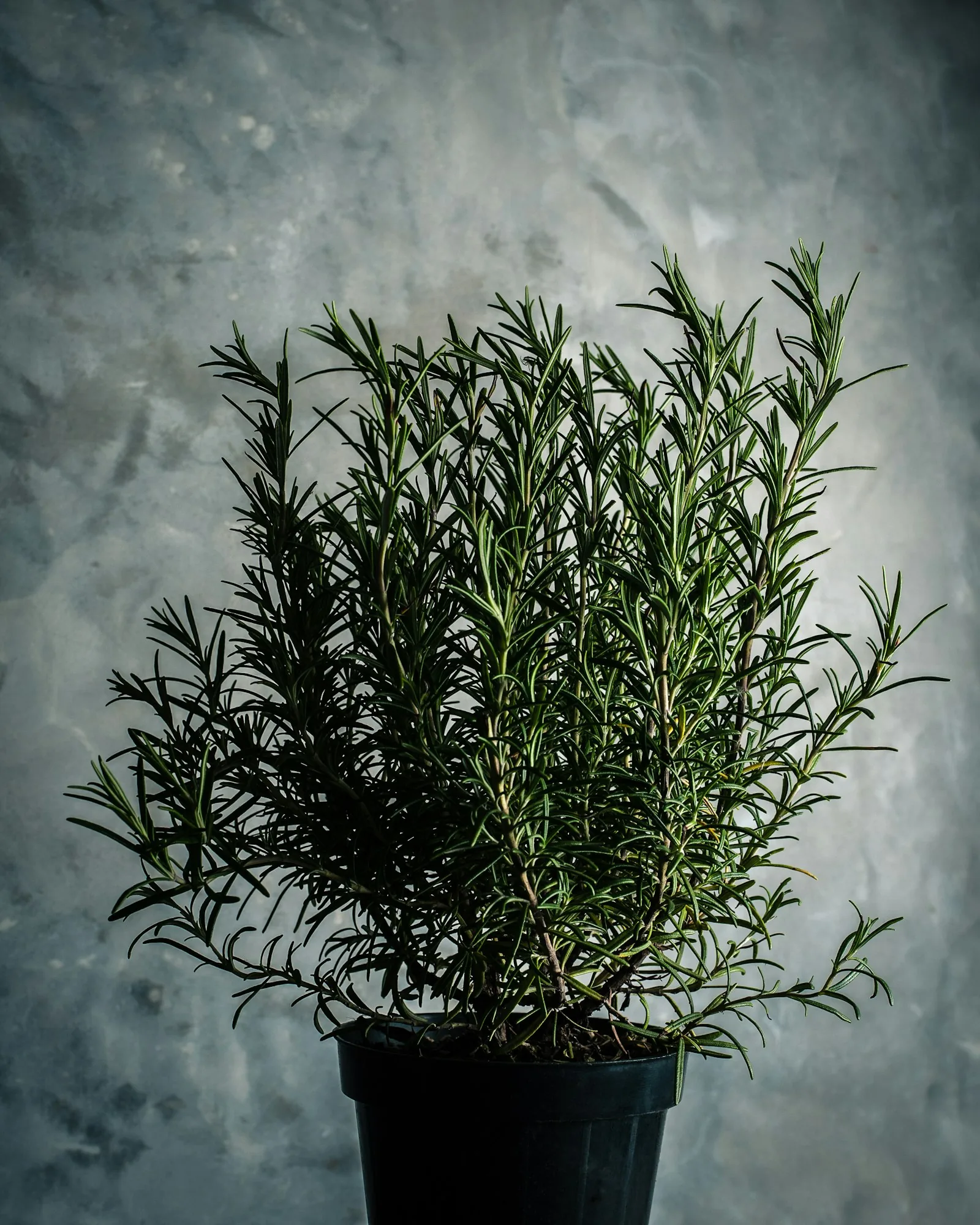
Growing Rosemary Outdoors: Zones, Care, and Harvesting
title: "Growing Rosemary Outdoors: Zones, Care, and Harvesting"
—- title: "Growing Rosemary Outdoors: Zones, Care, and Harvesting" slug: growing-rosemary hub: vegetables category: Herb description: "Complete guide to growing rosemary outdoors — hardiness zones, soil drainage, pruning, harvesting, and overwintering strategies for zones 6 and colder." date: 2026-06-10 updated: 2026-06-10 author: "Thomas A." reading_time: 8 —-
Salvia rosmarinus (formerly Rosmarinus officinalis) is a Mediterranean subshrub with specific cultural requirements that make it successful in some regions and frustrating in others. The most common failure mode is not drought, heat, or pests — it is poor drainage in winter and temperatures below its hardiness threshold. Understanding those two constraints shapes every decision in rosemary culture.
I don't grow rosemary as a perennial at my Long Island plot. Zone 7a is on the borderline of rosemary's reliable hardiness, and the poorly draining winters here are the wrong combination. I grow it as an annual or in containers brought inside for winter. The research and guidance below is sourced from university Extension publications.
Quick Facts
| Attribute | Detail |
|---|---|
| Scientific name | Salvia rosmarinus (syn. Rosmarinus officinalis) |
| Plant type | Evergreen subshrub; perennial in zones 8–10 |
| USDA zones | Perennial zones 8–10; marginal zone 7; annual zones 2–6 |
| Cold tolerance | Most cultivars hardy to 10–15°F (zone 7/7a borderline) |
| Light | Full sun, 6–8 hours minimum |
| Soil pH | 6.0–8.0 (tolerates alkaline) |
| Water | Drought-tolerant once established; 1 inch per week until established |
| Zone 7a plant date | Late April–May (after last frost) |
USDA Hardiness Zone
Per NC State Extension Plant Toolbox, rosemary is "hardy in USDA zones 8 to 10" for reliable perennial performance. In zones 7 and 7a, the plant may survive mild winters but is killed outright in years with extended temperatures below 10–15°F.
Per Missouri Botanical Garden, most rosemary cultivars are "marginally hardy in zone 7" and benefit from "a sheltered southern exposure, excellent drainage, and protection from winter winds." Even with ideal conditions, some zone 7a winters will kill established plants — this is not a failure of care but a hardiness limit.
Cultivars with slightly better cold tolerance include 'Arp' (to -10°F per some trials, though results vary) and 'Salem' (also zone 6-7 tolerant). Per UF IFAS Extension, "Arp is one of the most cold-hardy selections" but should still be considered marginal north of zone 7.
In zone 7a Long Island gardens, the practical approach is either annual replacement in spring or container culture with indoor overwintering.
Light Requirements
Per Clemson HGIC, rosemary requires "full sun — at least 6 to 8 hours of direct sunlight daily." Partial shade reduces growth rate, essential oil concentration, and cold hardiness. A south-facing bed against a masonry wall is the ideal zone 7 planting site: maximum sun exposure plus reflected heat and wall-derived warmth.
Soil and Drainage
Drainage is the defining soil requirement for rosemary. Per Clemson HGIC, rosemary "must have excellent drainage — standing water or consistently wet soils will kill the plant." Wet winter soil is more dangerous to rosemary than low temperature alone. A plant can survive 15°F in sandy loam; the same plant will die at 25°F in waterlogged clay.
Per Penn State Extension, rosemary "prefers a pH of 6.0 to 8.0" and is one of the few culinary herbs that tolerates alkaline conditions. It does not need rich soil — lean, fast-draining soil produces the most aromatic plants. Avoid heavy amendments with compost or peat in the planting hole; these retain moisture that rosemary cannot tolerate in winter.
For heavy clay soils, raised beds with added coarse sand or grit are the best solution. Per Clemson HGIC, "a slope or raised bed improves drainage" and is "especially important in areas with wet winters."
Watering
Per NC State Extension Plant Toolbox, established rosemary is "drought-tolerant" and native to Mediterranean coastal regions with summer drought and winter rainfall. Young transplants need approximately 1 inch of water per week until established (the first growing season). After establishment, watering once every 1–2 weeks during dry periods is sufficient in most temperate climates.
The most common watering error is over-watering. Per Clemson HGIC, "more plants die from overwatering and poor drainage than from drought." In container culture, allow the growing medium to partially dry between waterings. Waterlogged container rosemary develops root rot quickly.
Fertilizing
Rosemary does not need heavy fertilizing. Per Penn State Extension, a light application of balanced slow-release fertilizer in spring is sufficient. Espoma Plant-tone (5-3-3 organic) at half the label rate for herbs is appropriate. Avoid high-nitrogen fertilizers — they produce lush, soft growth that is less cold-hardy and more susceptible to disease.
Per Clemson HGIC, do not fertilize rosemary in late summer or fall; late-season growth is tender and will be damaged in cold weather.
Pruning
Per Clemson HGIC, prune rosemary "in early spring after the last frost, removing dead wood and shaping the plant." Light pruning throughout the growing season (harvesting is a form of pruning) keeps plants compact and productive. Rosemary can become woody at the base if not pruned regularly — once the wood is thick and bare, the plant cannot regenerate from old wood.
Per Clemson HGIC, "avoid removing more than one-third of the plant at a time." Hard pruning into leafless old wood typically kills the branch.
In zone 7a container culture, prune lightly in fall before bringing plants indoors, but do not cut hard — the plant needs stored energy to get through winter.
Harvesting and Storage
Harvest rosemary by cutting stem tips — up to 4–6 inches of new growth at a time. Per Penn State Extension, harvesting regularly promotes branching and keeps the plant from becoming lanky. The best time to harvest for essential oil concentration is mid-morning after dew has dried.
Drying: Rosemary dries exceptionally well. Bundle stems together loosely with a rubber band and hang upside down in a warm, dry, well-ventilated location for 1–2 weeks. Per Clemson HGIC, store dried rosemary in an airtight container away from light; flavor stays concentrated for 1–2 years. Rosemary's woody stem and high essential oil content make it one of the best herbs for drying.
Fresh storage: Fresh rosemary keeps 2–3 weeks refrigerated, wrapped in a barely damp paper towel inside a bag. Alternatively, stand sprigs in a small amount of water in the refrigerator.
Freezing: Strip leaves from stems, spread on a baking sheet to freeze, then transfer to a freezer bag. Frozen rosemary works well in cooked applications (roast meats, soups, breads) where texture is less important.
Container vs. In-Ground
In zone 7a and colder, containers are the most practical approach for rosemary as a perennial. Per UF IFAS Extension, rosemary "grows well in containers" and can be "brought indoors before the first hard frost."
Use a well-draining container mix — a 50/50 blend of potting mix and perlite or coarse sand prevents the moisture retention that kills container rosemary in winter. Terra cotta pots are preferable to plastic because they allow moisture to evaporate through the walls. Use containers with drainage holes and never allow standing water in the saucer.
Bring containers indoors before the first hard frost (typically late October in zone 7a). Overwinter in the coolest, brightest spot available — a south-facing window or greenhouse. Per Penn State Extension, rosemary indoors over winter needs "good light and cool temperatures (50–65°F)"; warm, dark interiors cause leggy growth and increase susceptibility to powdery mildew.
For in-ground planting in zones 8–10, site rosemary in the most well-drained area available with full sun and, in zone 8, a south-facing wall for winter protection.
Pests and Diseases
Rosemary has few serious pest problems. Per Clemson HGIC, the most common issues are:
- Powdery mildew: Appears as white powdery coating on leaves in humid conditions or when growing indoors in low light. Per Clemson HGIC, improve air circulation and light; move plants to brighter, better-ventilated locations. Avoid overhead wetting of foliage.
- **Root rot (Phytophthora and Pythium):** The result of overwatering or poor drainage. Per NC State Extension, "excellent drainage is the primary prevention." There is no effective treatment for established root rot — prevention through drainage is the only reliable strategy.
- Spittlebugs: Foam-covered insects on stems in late spring. Per Clemson HGIC, a strong water spray dislodges them; they rarely cause significant damage.
Common Problems
| Symptom | Cause | Fix |
|---|---|---|
| Plant dies over winter (in-ground, zone 7) | Cold plus wet soil | Improve drainage; plant in raised bed; consider annual replacement |
| Brown, dropping leaves in winter | Normal response to cold; or root rot | Check roots; if mushy, plant is declining; improve drainage for next season |
| White powder on leaves | Powdery mildew (common indoors) | Improve light and airflow; reduce humidity around plant |
| Leggy growth indoors | Insufficient light | Move to south window; supplement with grow lights |
| No growth after winter | Normal slow emergence, or winter-killed | Wait until May; test stem flexibility (live stems bend, dead snap) |
| Yellowing leaves | Overwatering; nutrient deficiency | Check drainage; light fertilizer application in spring |
Frequently Asked
Will rosemary survive winter in zone 7a?
Sometimes, but not reliably. Per Missouri Botanical Garden, rosemary is "marginally hardy in zone 7" and survival depends on drainage and microclimate as much as minimum temperature. In Long Island zone 7a, rosemary in sandy, well-drained soil against a south-facing wall may survive most winters but will die in severe years. Container culture with indoor overwintering is the more reliable approach for growers who want the plant to return each year.
What is the difference between rosemary cultivars?
Most culinary rosemary performs similarly in the kitchen. The key cultivar differences relevant to the Northeast are cold hardiness: 'Arp' and 'Salem' are among the hardiest selections, reportedly surviving to -10°F in some trials, though performance in zone 7a remains variable. Upright types ('Tuscan Blue', 'Miss Jessup's Upright') grow taller and work better for formal hedges in warm climates; prostrate types ('Prostratus') are used as ground cover in zones 9–10 but are less cold-hardy.
How do I bring rosemary indoors for winter?
Per Penn State Extension, bring container rosemary indoors before the first hard frost (below 28°F). Prune lightly, inspect for pests, and isolate from other houseplants for two weeks. Place in the brightest, coolest available location — a south window at 50–65°F is ideal. Water sparingly — allow the top inch of growing medium to dry before watering. Per Clemson HGIC, the main threats over winter indoors are powdery mildew (from low light and poor air movement) and root rot (from overwatering).
Can I grow rosemary in a container?
Yes — container growing is actually the recommended approach for zone 7 and colder climates, because it allows indoor overwintering. Per UF IFAS Extension, use a "well-drained potting mix" and ensure the container has drainage holes. A mix of potting soil with added perlite (50/50) prevents the moisture retention that leads to root rot. Terra cotta pots allow the soil to breathe and dry more evenly than plastic.
—-
Recommended gear: Best Raised Garden Bed Kits: Cedar vs. Metal vs. Fabric — our buyer's guide covering picks for every budget, ranked by Extension publication consensus and personal use.
Sources
- NC State Extension Plant Toolbox — <a href="https://plants.ces.ncsu.edu/plants/salvia-rosmarinus/">Salvia rosmarinus (Rosemary)</a>.
- Missouri Botanical Garden — <a href="https://www.missouribotanicalgarden.org/PlantFinder/PlantFinderDetails.aspx?kempercode=c813">Rosmarinus officinalis</a>.
- Clemson HGIC — <a href="https://hgic.clemson.edu/factsheet/rosemary/">Rosemary</a>.
- Penn State Extension — <a href="https://extension.psu.edu/herb-gardening">Herb Gardening</a>.
- UF IFAS Extension — <a href="https://edis.ifas.ufl.edu/publication/MV082">Rosemary in the Florida Garden</a>.