Species guide

Lupine Care: Growing Lupinus polyphyllus

title: "Lupine Care: Growing Lupinus polyphyllus Successfully"

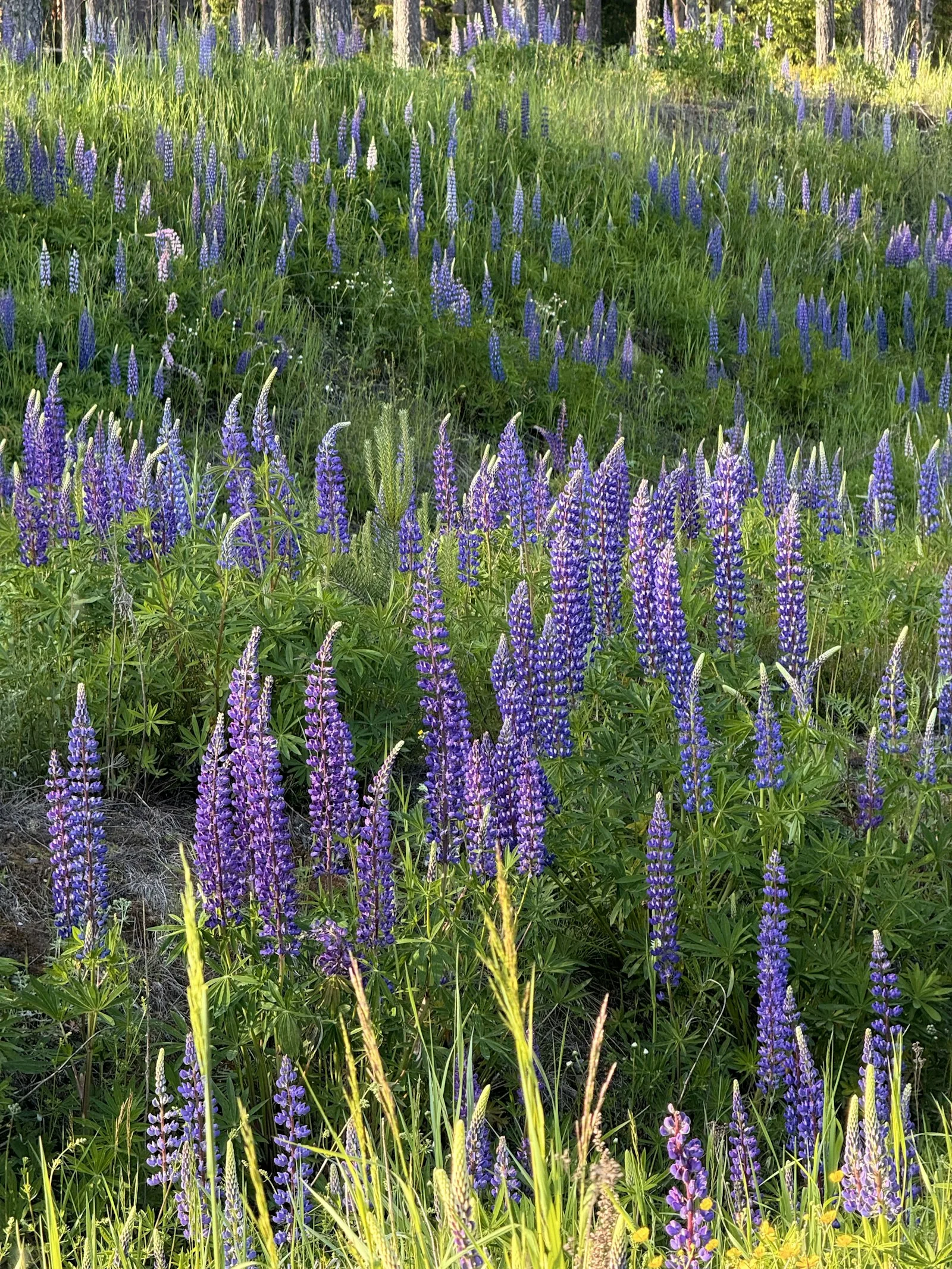
Purple lupine flowers bloom across a field
Photo: Unsplash on Unsplash

—- title: "Lupine Care: Growing Lupinus polyphyllus Successfully" slug: lupine-care hub: plants category: Species guide description: "How to grow lupines (Lupinus polyphyllus) in zones 4–8. Planting from seed, soil prep, preventing crown rot, and extending bloom. Extension-sourced." date: 2026-06-10 updated: 2026-06-10 author: "Thomas A." reading_time: 9 scientific: "Lupinus perennis" zones_min: 4 zones_max: 8 sun: "full sun" deer_resistant: true native: true pollinator: true bloom: "spring" height_min: 2 height_max: 4 —-

Lupinus polyphyllus and the Russell Hybrids derived from it produce some of the most striking flower spikes of any perennial — dense, tall columns in pink, red, purple, white, and bicolors, blooming in late spring through early summer. They are also among the more temperamental perennials for humid eastern U.S. gardens. Per Missouri Botanical Garden, lupines "prefer cool, moist climates" and "may be short-lived in hot, humid areas."

I don't grow lupines in my Long Island yard. The combination of warm summer nights, high humidity, and slightly alkaline sandy loam is not ideal for them, and they have a reputation for short lifespan in zone 7. This guide draws on Extension and botanical garden publications.

Which lupine do you have?

Lupinus polyphyllus — the large-flowered perennial lupine native to western North America. The parent species for most garden lupines.

Russell Hybrids — developed by English nurseryman George Russell in the 1930s. Per Missouri Botanical Garden, these are the most widely sold garden lupines — tall (to 4 feet), large-spiked, available in a wide color range. They grow 3–4 feet tall and are the standard for perennial borders.

Gallery Series and Popsicle Series — dwarf types reaching 18–24 inches. Per NC State Extension Plant Toolbox, these are more compact choices for smaller spaces or containers.

Native western lupines (Lupinus perennis, eastern wild lupine) — L. perennis is native to eastern North America and better adapted to eastern U.S. conditions than the Pacific Coast species. Per Missouri Botanical Garden, L. perennis is the larval host of the endangered Karner blue butterfly and is important ecologically. It is smaller (12–24 inches) and more tolerant of dry, sandy, acidic conditions than the Russell Hybrids.

USDA hardiness zones

Per Missouri Botanical Garden, Lupinus polyphyllus and the Russell Hybrids are hardy in zones 4–8, with best performance in zones 4–6. Per NC State Extension, lupines "decline in hot, humid conditions," which means zone 7 and warmer gardens should expect shorter plant lifespans and less reliable performance than gardeners in cool climates. In the Pacific Northwest, where the summer climate matches the species' native range, lupines are genuinely perennial. In Long Island zone 7a, they are better treated as short-lived perennials.

Light

Full sun to light partial shade. Per Missouri Botanical Garden, lupines perform best in full sun but can tolerate light afternoon shade, which may actually extend their performance in hot climates by reducing heat stress. Six hours of direct sun minimum; more in cooler zones.

In zones 7+, a planting site with morning sun and afternoon shade from trees or a building can significantly extend the season and plant lifespan. The goal is to reduce cumulative heat stress without reducing light enough to compromise flowering.

Soil

This is the most critical factor for lupine success. Per NC State Extension, lupines require "slightly acidic to neutral" well-drained soil. The ideal pH range is 5.0–6.5 per Missouri Botanical Garden. Alkaline soil (pH above 7.0) causes iron and manganese deficiency and typically results in yellowed, stunted plants.

Lupines are legumes and fix nitrogen through root nodules with Rhizobium bacteria. Per Oregon State Extension, this means they do not need supplemental nitrogen and may actually perform better in lean, slightly acidic soil than in rich garden beds. Amend heavy clay with compost and grit for drainage, but do not add lime unless a soil test shows the pH is below 5.0.

Crown rot is the leading cause of lupine death in the eastern U.S. and is directly caused by poor drainage combined with heat and humidity. Per Clemson Extension HGIC, lupines require "very good drainage" and will not survive in continuously moist or poorly drained soils. Raised beds are a reliable solution in heavy clay soils.

Planting from seed

Per Missouri Botanical Garden, lupines grow readily from seed and often bloom in their first year if started early. The seed coat is hard and requires scarification or soaking.

Starting process per Missouri Botanical Garden:

  1. Soak seeds in warm water for 24 hours before planting, or nick the seed coat with a file (scarification).
  2. Direct sow outdoors in fall for spring germination, or start indoors 6–8 weeks before last frost.
  3. Direct sow seeds 1/4 inch deep; do not transplant mature lupines if possible — the taproot resents disturbance.
  4. Germination occurs at soil temperatures of 55–65°F; do not try to start in warm conditions.

If starting indoors, use deep cells or peat pots to minimize root disturbance at transplanting. Per Penn State Extension, transplant while still small — 4–6 week-old seedlings transplant better than mature plants.

Watering and fertilizing

Water: Consistent moisture during spring growth and bloom. Per Missouri Botanical Garden, lupines "prefer evenly moist soils" but absolutely require drainage — wet feet cause crown rot. Approximately 1 inch per week during the growing season, delivered at the base of the plant.

Fertilizer: Per NC State Extension, lupines as legumes fix atmospheric nitrogen and do not need supplemental nitrogen. Applying high-nitrogen fertilizer encourages lush foliage at the expense of blooms and increases susceptibility to disease. A low-nitrogen fertilizer such as Espoma Plant-tone 5-3-3 can be applied at half the label rate in early spring if soil is very lean.

Deadheading and extending bloom

Per Missouri Botanical Garden, cutting spent flower spikes back to basal foliage immediately after flowering may encourage a second, smaller flush of bloom in cooler zones. In zones 7+, this second flush rarely materializes because summer heat sets in before the plant can initiate new flower spikes.

Allowing seed to ripen and self-sow can produce a self-sustaining colony over time, which compensates for the short individual lifespan of lupines in warm climates. Per NC State Extension, self-sown seedlings often become more vigorous than transplants.

Companion plants

Pests and diseases

Crown rot (Sclerotinia and Rhizoctonia species) is the primary cause of lupine failure in humid climates. Per Clemson Extension HGIC, the only reliable prevention is excellent drainage and good air circulation. The fix for established crown rot is removal — fungicide does not save a plant once crown rot is established.

Powdery mildew occurs in late summer in humid climates. Per NC State Extension, it is primarily cosmetic and rarely fatal. Improve air circulation; avoid overhead watering.

Aphids — lupines attract bean aphids (Aphis fabae), which can colonize growing tips and flower buds in spring. Per NC State Extension entomology, insecticidal soap or a hard water spray controls most infestations.

Slugs are a problem on seedlings and in wet springs. Per Penn State Extension, iron phosphate bait (Sluggo (iron phosphate slug bait)) is OMRI-listed and safe around pets and wildlife.

Deer: Per Rutgers NJAES, lupines are rated as "occasionally severely damaged." In high-pressure areas, a deer repellent program is warranted.

Common problems

SymptomMost likely causeFix
Plant suddenly collapses in summerCrown rotImprove drainage; replant with better site prep
Yellow leaves with green veinsIron chlorosis from alkaline soilLower pH with sulfur; confirm with soil test
Leggy, floppy spikesToo much shade or excess nitrogenFull sun; no nitrogen fertilizer
Aphids on growing tipsBean aphid infestationinsecticidal soap; water spray
Slug damage on seedlingsSlug pressure in wet conditionsiron phosphate slug bait around plants
No rebloom after deadheadingToo hot for second flush (zone 7+)Normal in warm climates; allow self-seeding
Short plant lifespan (2–3 years)Normal in zones 7+Treat as short-lived; allow self-sowing

Frequently asked

Why do my lupines die after 2–3 years?

Per Missouri Botanical Garden, lupines are naturally short-lived perennials even under ideal conditions, and the lifespan shortens significantly in hot, humid climates. The Russell Hybrid lupines in particular tend to decline faster than the straight species. This is not a cultural failure — it is a climate mismatch. In zones 4–6 with cool summers, lupines may persist 4–5 years; in zone 7, expect 2–3 years. Allowing self-sowing creates a self-renewing population that compensates for individual plant loss.

When should I plant lupine seeds?

Per Missouri Botanical Garden, lupines can be direct-seeded in fall for natural cold stratification and spring germination, or seeded indoors 6–8 weeks before last frost. Soak seeds for 24 hours before sowing to improve germination. Direct sowing in fall is the simplest approach in zones 5–7 — seeds overwinter, cold-stratify naturally, and germinate with reliable timing when soil warms.

Are lupines toxic?

Per NC State Extension, lupines contain quinolizidine alkaloids that are toxic to humans, particularly children, and to livestock if ingested in quantity. All parts of the plant should be treated as potentially harmful. This is worth noting for gardens with young children. The toxicity is also responsible for some of lupine's resistance to deer browsing.

Recommended gear: Best iron phosphate slug bait: Sluggo vs Slug Magic vs generic — our buyer's guide covering picks for every budget, ranked by Extension publication consensus and personal use.

Sources

  1. Missouri Botanical Garden &mdash; <a href="https://www.missouribotanicalgarden.org/PlantFinder/PlantFinderDetails.aspx?kempercode=c854">Lupinus polyphyllus</a>.
  2. NC State Extension Plant Toolbox &mdash; <a href="https://plants.ces.ncsu.edu/plants/lupinus-polyphyllus/">Lupinus polyphyllus</a>.
  3. Clemson Extension HGIC &mdash; <a href="https://hgic.clemson.edu/factsheet/lupine/">Lupine</a>.
  4. Penn State Extension &mdash; <a href="https://extension.psu.edu/perennials-in-the-landscape">Perennials in the Landscape</a>.
  5. Oregon State Extension &mdash; <a href="https://extension.oregonstate.edu/catalog/pub/em9179-growing-cover-crops">Growing Cover Crops</a>.
  6. Rutgers NJAES &mdash; <a href="https://njaes.rutgers.edu/pubs/publication.asp?pid=FS1312">Landscape Plants Rated by Deer Resistance</a>.

Sources