Vegetable

Strawberry plant care: June-bearing vs everbearing vs day-neutral

The three production types have different harvest windows, different management requirements, and entirely different renovation strategies. Match the type to your goals before you buy.
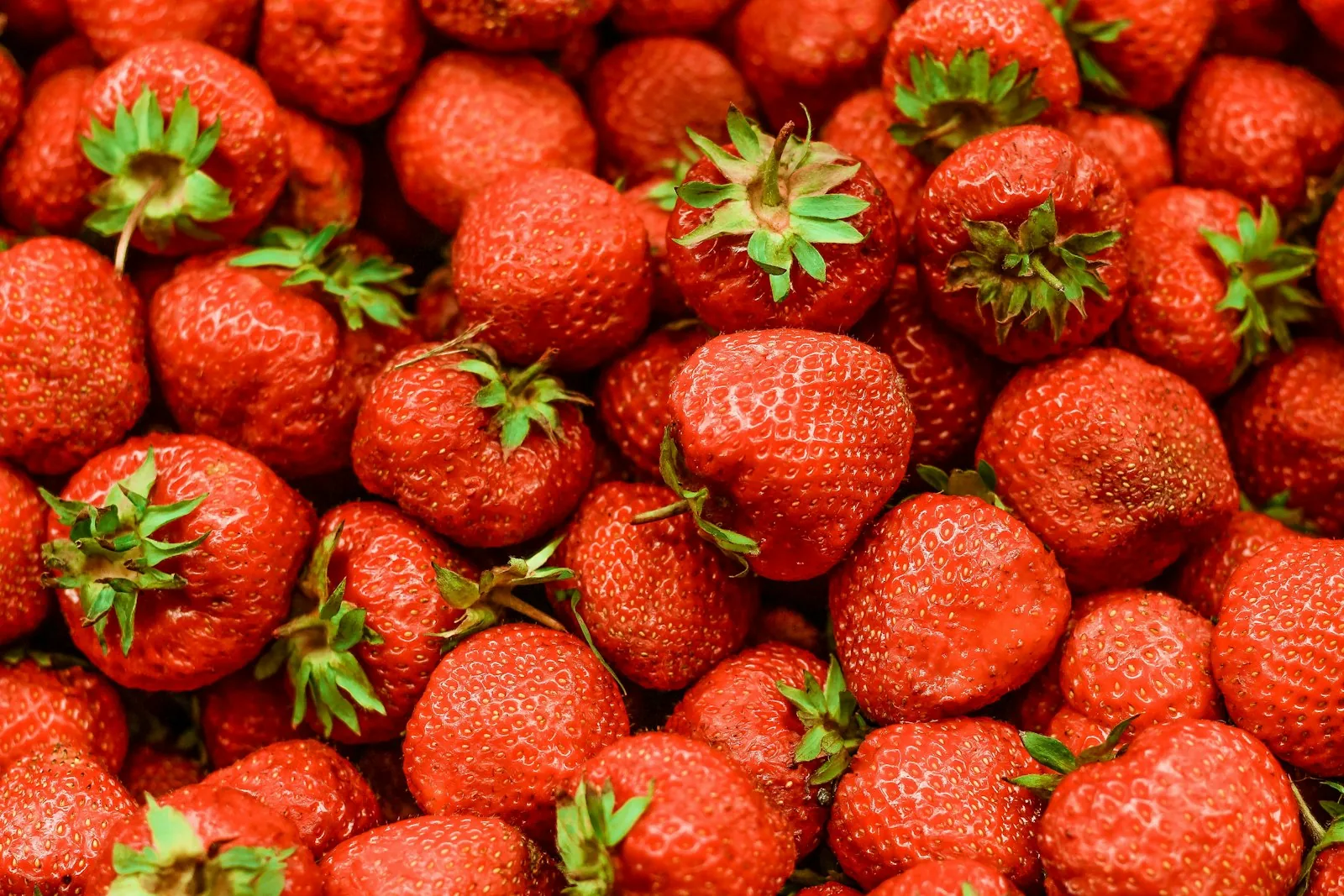
Red strawberries on white surface
Photo: Unsplash on Unsplash

—- title: "Strawberry plant care" slug: strawberry-plant-care hub: vegetables category: Vegetable guide description: "Strawberries are a crop I don't currently grow — my yard has limited sun exposure suitable for fruit production, and what sunny space I have goes to tomatoes and peppers. This guide is sourced from." date: 2026-06-10 updated: 2026-06-10 author: "Thomas A." reading_time: 8 scientific: "Fragaria x ananassa" zones_min: 3 zones_max: 10 sun: "full sun" native: false pollinator: true height_min: 1 height_max: 1 —-

Strawberries are a crop I don't currently grow — my yard has limited sun exposure suitable for fruit production, and what sunny space I have goes to tomatoes and peppers. This guide is sourced from University of Minnesota Extension, Cornell, and Oregon State University Extension, which together represent the most detailed and regionally tested strawberry production research available for home gardeners.

The most important decision in strawberry growing is not variety selection or planting technique — it is production type. June-bearing, everbearing, and day-neutral types have fundamentally different management requirements, different harvest timelines, and different renovation strategies. Starting with the wrong type for your goals is the most common planning error.

Three production types

Per University of Minnesota Extension:

June-bearing strawberries "produce a large, concentrated crop in mid-June to early July." Per UMN Extension, "June-bearing strawberries normally produce the largest yield per season, but in a short period of time." The entire harvest window is 3–4 weeks. Per UMN Extension, it "takes about four weeks from plants flowering to picking fruit" after plants bloom in mid-May (in southern Minnesota / zone 5). June-bearers are perennial — grown for 3–5 years before being replaced — and must be renovated each year immediately after harvest.

Everbearing strawberries "produce two crops: one in early summer and the second in early fall." The two-flush schedule suits gardeners who want fresh fruit at two points in the season rather than a single concentrated harvest.

Day-neutral strawberries "produce fruit throughout most of the growing season" per UMN Extension. Per UMN Extension's commercial production guidance, day-neutral types "have a longer harvest season and higher overall yields than June-bearing strawberries" on an annual basis, but are "typically grown under protected culture" and "require more maintenance throughout the growing season." For home gardens, day-neutral types are often grown as annuals and replanted each spring.

The practical choice for most home gardeners:

Site and planting

Light: Per UMN Extension, "strawberries need full sun to produce maximum fruit." Six or more hours of direct sun. Partial shade dramatically reduces yield — strawberries in heavy shade produce foliage and runners but few berries.

Soil: Strawberries prefer well-drained, slightly acidic soil (pH 5.8–6.5). They are shallow-rooted and will not tolerate waterlogged conditions. Raised beds are useful on sites with poor drainage.

Planting time: Plant in early spring as soon as the soil can be worked — typically late March to mid-April in zones 5–7. Per Cornell Cooperative Extension guidance on fall planting, spring planting gives plants a full season to establish before winter.

Spacing: Per UMN Extension, space plants 12–18 inches apart. June-bearing types are typically planted in rows 3–4 feet apart to allow runners to fill in a matted row system.

Blossoms in year 1: Per UMN Extension, "after removing flowers for a few weeks after planting, you can pick fruit later that summer." Removing flowers for the first 4–6 weeks after planting redirects energy into root development and runner production, building a stronger plant for subsequent years.

Runner management

Per UMN Extension, "one June-bearing plant can produce up to 120 new daughter plants in one season." This is both the system's strength (it fills in its own row) and its primary management challenge.

For June-bearing types in a matted-row system: allow runners to root freely until mid-summer, then remove excess runners to keep the row 12–18 inches wide. Crowded rows have reduced airflow, more disease pressure, and smaller berries as plants compete for resources.

For everbearing and day-neutral types: per Cornell guidance, runners should be removed throughout the season to keep plants focused on fruit production. These types produce acceptable yield in their first year even without runners.

June-bearing renovation: the critical step

After the June harvest, a June-bearing strawberry bed requires renovation to stay productive in subsequent years. Per UMN Extension's renovation guidance, "this step only applies to mature stands of June-bearing strawberries. Do not renovate in the planting year for June-bearing strawberries, or in day-neutral strawberries."

Renovation steps immediately after the last harvest:

  1. Mow the old foliage back to 1–2 inches above the crown. This removes diseased and aging leaves and exposes the crowns to light. Use a mower set high enough to avoid cutting into the crowns.
  2. Narrow the row by cultivating the sides back to a 12-inch-wide strip. Remove plants from outside the intended row.
  3. Thin plants within the row to 4–6 inches apart if they are too crowded.
  4. Fertilize. Per UMN Extension, "stimulate runner and daughter plant production in the rows." Apply a balanced fertilizer (10-10-10 at label rate) after mowing and cultivating.
  5. Irrigate. Water thoroughly to help plants establish new growth before fall.

Per UMN Extension, "the next year's fruiting buds are formed in the fall, generally during September and October. Renovating shortly after the last harvest in summer supports bud initiation and increased yield the following year."

Skipping renovation one year leads to dense, crowded beds with increased gray mold (Botrytis cinerea) and reduced berry size. After 3–5 years, even well-renovated beds decline and should be replanted in a fresh location.

Slug management

Slugs are the pest most home strawberry growers underestimate. They feed at night and in wet weather, rasping holes in ripe berries that then mold rapidly. In my region and across the Northeast, slugs are a more consistent problem than most insect pests in strawberry plantings.

Management per Oregon State Extension guidance on soft fruits: reduce hiding places by keeping the planting area free of debris and dense mulch close to berries. Iron phosphate baits (sold under brand names like Sluggo (iron phosphate slug bait)) are effective and approved for use around edible crops. Diatomaceous earth around plant crowns provides some deterrence in dry conditions.

Watering

Strawberries need consistent moisture during fruit development. Per Cornell guidance on small fruits, water is most critical during the 2–4 weeks of fruit sizing and ripening. Keep soil evenly moist but not waterlogged. Per Oregon State Extension guidance on cucurbits and soft fruits, overhead irrigation favors gray mold — drip irrigation or soaker hoses at the base of plants is preferable.

Pests and diseases

**Gray mold (Botrytis cinerea):** The primary strawberry disease in humid climates. Appears as fuzzy gray mold on ripe and overripe berries. Reduce with good airflow, prompt removal of overripe berries, and avoiding overhead irrigation. Dense, unmaintained beds with poor airflow are most susceptible.

Strawberry weevil: The most significant insect pest of June-bearing strawberries in the Northeast. Adults cut buds just before they open, leaving them dangling on the stem. Severe infestations can reduce crop significantly. Row covers before bloom provide effective exclusion.

Verticillium wilt: A soilborne fungal disease that causes sudden collapse. No cure; do not replant strawberries in affected soil for at least 3 years. Do not plant strawberries where tomatoes, peppers, potatoes, or eggplant recently grew.

Common problems

SymptomMost likely causeFix
Holes in ripe berries, slimy trailsSlug damageiron phosphate slug bait; reduce mulch near berries; harvest promptly
Fuzzy gray mold on berriesBotrytis gray moldImprove airflow; bottom-water; remove diseased fruit promptly; don't leave overripe berries
Berries small in second and third yearRenovations skipped or inadequate; bed overcrowdedRenovate immediately after harvest; thin crowded plants
Buds cut off, dangling on stemsStrawberry weevilRow covers before bloom; insecticide if severe
Plants wilt and collapse suddenlyVerticillium wiltRemove; do not replant Solanaceae in that spot for 3+ years
Poor fruit despite good plant growthInsufficient sun; runners not managedFull sun required; remove excess runners on everbearing/day-neutral types
Recommended gear: Best iron phosphate slug bait: Sluggo vs Slug Magic vs generic — our buyer's guide covering picks for every budget, ranked by Extension publication consensus and personal use.

Frequently asked

What is the difference between June-bearing and day-neutral strawberries?

Per University of Minnesota Extension, June-bearing types produce one large concentrated harvest in mid-June to early July and are the highest-yielding type per season. Day-neutral types produce continuously from planting time through frost, but in smaller quantities per picking. June-bearers require annual renovation after harvest to remain productive; day-neutral types are often grown as annuals. Choose June-bearing for a big single harvest for preservation; choose day-neutral for steady fresh eating all summer.

When should I renovate June-bearing strawberries?

Per UMN Extension, "renovation should start immediately after the end of harvest." The window is critical because next season's flower buds form in fall (September–October), and renovation needs to be complete well before that so plants can rebuild canopy and store energy. The renovation process includes mowing old foliage, narrowing and thinning the row, fertilizing, and irrigating. Do not renovate in the planting year or with day-neutral types.

How many plants do I need for a family?

A rule of thumb from Cornell small-fruit guidance: plan for 20–25 June-bearing plants per person if growing for fresh eating, 50+ per person if growing for preserves. A properly managed matted row of 25 plants at the end of year two can yield 15–25 quarts of berries. Day-neutral plantings require more plants per quart of fruit because harvest is spread across the season.

How do I keep birds from eating my strawberries?

Bird netting draped over the entire planting is the most effective solution. Robins and sparrows will eat ripe strawberries; their damage accelerates mold development on remaining fruit. Net the planting before berries begin to color; once birds find the patch, deterrents other than exclusion have limited effectiveness.

Sources

  1. University of Minnesota Extension — Growing strawberries in the home garden.
  2. University of Minnesota Extension — Strawberry end-of-season renovation.
  3. University of Minnesota Extension — Choosing a strawberry production system.
  4. University of Minnesota Extension — Day-neutral strawberries.
  5. Oregon State University Extension — Grow your own cucumbers (cucurbit cultural practices).