Herb

Growing Parsley Outdoors: Flat-Leaf and Curly Guide

title: "Growing Parsley Outdoors: Flat-Leaf and Curly Guide"

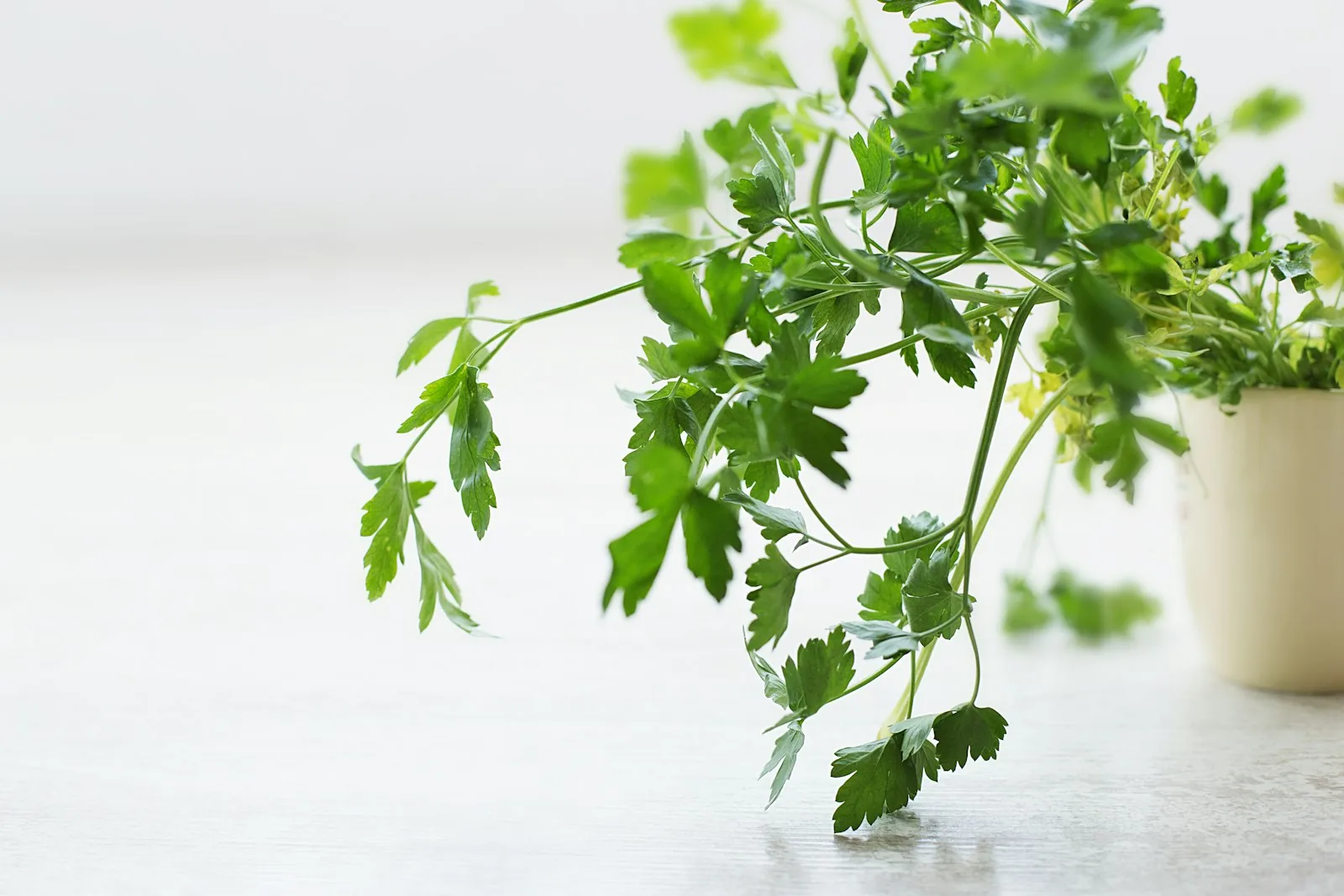
Closeup photo of green leafed plant
Photo: Unsplash on Unsplash

—- title: "Growing Parsley Outdoors: Flat-Leaf and Curly Guide" slug: growing-parsley hub: vegetables category: Herb description: "How to grow flat-leaf and curly parsley outdoors — planting dates, germination tips, harvesting, overwintering in zones 5–9, and swallowtail host planting." date: 2026-06-10 updated: 2026-06-10 author: "Thomas A." reading_time: 8 —-

I grow flat-leaf parsley every year in the Long Island plot, usually two or three plants started from transplants in mid-April. It goes in before basil and cilantro because parsley handles cool spring soil in a way neither of those can. Most years I get a second season from the same plants — the flat-leaf type frequently overwinters in zone 7a and resumes growth in March before bolting in May. That two-season behavior is part of what makes parsley worth the planting space.

The curly type I grow occasionally for garnish, but the flavor is thinner and I don't bother with it most seasons. If cooking is the goal, flat-leaf every time.

Quick Facts

AttributeDetail
Scientific namePetroselinum crispum
Plant typeBiennial (most gardeners grow as annual)
USDA zonesPerennial zones 5–9; grown as annual in zones 2–4 and 10–11
Cold toleranceTolerates light frost; hardy to zone 5
LightFull sun to part shade
Soil pH6.0–7.0
Water1–2 inches per week
Zone 7a plant dateMid-April (3–4 weeks before last frost)

USDA Hardiness Zone and Seasonal Behavior

Parsley is winter-hardy through USDA zone 5. Per Penn State Extension, parsley "tolerates light frosts and can be planted 3 to 4 weeks before the last frost date." In zone 7a, that means mid-to-late April for transplants or direct sowing.

Per Cornell Cooperative Extension, parsley is "hardy to zone 5" and may overwinter in zone 7 without protection. This is consistent with my experience: flat-leaf parsley planted in May typically survives Long Island winters and resumes growth in March of the following year. In year two, it will bolt and flower by May — at which point the leaf harvest is done and the plant sets seed and dies.

In zones 2–4, parsley is effectively an annual and should be replanted each spring. In zones 8–11, it may bolt in late spring heat and is best grown as a fall-through-spring crop.

Flat-Leaf vs. Curly Parsley

Both are Petroselinum crispum, but the variety names differ:

Per Cornell Cooperative Extension, curly parsley is "hardier and more tolerant of adverse conditions." Flat-leaf is the choice if culinary use is the primary goal. Curly is worth growing if you want the plant for visual interest in a container or border edge.

Good cultivars: 'Italian Giant' (flat-leaf, vigorous), 'Gigante d'Italia' (flat-leaf, large-leaved), 'Forest Green' (curly, compact).

Starting from Seed

Parsley seed germinates slowly and erratically. Per Cornell Cooperative Extension, seeds "may take 2 to 4 weeks to germinate because of germination inhibitors in the seed coat."

Two reliable ways to speed germination:

  1. Soaking: Soak seeds in warm water for 12–24 hours before sowing. This leaches germination inhibitors from the seed coat and rehydrates the embryo. Per Penn State Extension, this is the most consistently effective technique.
  2. Fresh seed: Parsley seed viability declines sharply in the second year. Use fresh seed each season. Old seed — even stored carefully — germinates at a fraction of the rate of fresh seed.

Per Cornell Cooperative Extension, start seeds indoors "6 to 8 weeks before the last frost date" — in zone 7a, that means late February to early March for April transplanting. Sow ¼ inch deep, two seeds per cell, and thin to one seedling after germination.

Direct sowing outdoors works in early spring, but slow germination (3–4 weeks) means transplants give you a 4–6 week head start.

Light Requirements

Per Penn State Extension, parsley performs well in "full sun to light shade." In hot climates (zones 8–9), partial afternoon shade extends the season by reducing heat-induced bolting. In zone 7a, full sun in spring and early summer is ideal; afternoon shade in late summer can help if parsley is in year two and you want to delay bolt.

Soil

Per NC State Extension Plant Toolbox, parsley "prefers fertile, well-drained soil with a pH of 6.0 to 7.0." It forms a substantial taproot, which means loose, non-compacted soil is important for root development. On my sandy loam, parsley establishes quickly. On heavy clay, raised beds or deep compost incorporation improve performance significantly.

Per Penn State Extension, incorporate 2–3 inches of compost before planting to improve drainage and provide baseline fertility.

Watering

Per Penn State Extension, parsley needs consistent moisture — approximately 1–2 inches per week. It is more tolerant of drought than basil but will bolt faster if allowed to dry out repeatedly in warm weather. Keep the soil evenly moist without waterlogging.

Water at the base; overhead watering combined with crowding creates conditions for fungal problems, though parsley is generally less disease-prone than basil.

Fertilizing

Per Penn State Extension, parsley benefits from a side-dressing of balanced fertilizer 4–6 weeks after transplanting, especially in sandy or low-fertility soils. Espoma Plant-tone (5-3-3 organic) applied at the label rate for herbs is appropriate. Avoid high-nitrogen formulations, which drive excessive leaf growth at the expense of flavor compound concentration.

In year two (if plants overwintered), a light spring dressing as new growth resumes extends the pre-bolt harvest period.

Spacing and Growth Habit

Per Penn State Extension, space parsley "8 to 10 inches apart." Plants grow 12–18 inches tall and form a rosette of stems from a central crown. The crown is the productive center — do not damage it when harvesting.

Harvesting and Storage

Begin harvesting when plants have 8–10 stems and are established — typically 70–90 days from seed or 30–40 days from transplanting.

Per Cornell Cooperative Extension, harvest "the outer stems first, cutting them near the base." This leaves the inner crown intact and growing. Never harvest more than one-third of the plant at once. The crown continually produces new stems from the center; outer stems are always the oldest and can be removed without reducing future productivity.

Fresh storage: Parsley keeps 1–2 weeks refrigerated. Wrap stems in a damp paper towel inside a plastic bag, or stand them upright in a glass of water in the refrigerator.

Drying: Parsley dries reasonably well, though flavor loss is significant compared to fresh use. Per Clemson HGIC, dry parsley at 95°F in a food dehydrator or oven on the lowest setting until brittle. Store in an airtight container away from light.

Freezing: Chop fresh parsley, spread on a baking sheet to freeze, then transfer to a freezer bag. Frozen parsley retains more flavor than dried and is usable directly from frozen in cooked dishes.

Container vs. In-Ground

Parsley grows well in both, with one consideration: the taproot. Per NC State Extension Plant Toolbox, parsley "forms a long taproot" that performs best in deep soil or deep containers. Use containers at least 10–12 inches deep. A Smart Pot 15-gallon fabric container provides sufficient depth and volume for two to three parsley plants with good long-term root development.

Container parsley dries out faster than in-ground plantings — check moisture every one to two days in summer. Container plants may need more frequent fertilizing because nutrients leach with each watering.

In-ground planting in zone 7a gives the best overwintering results. Container parsley can overwinter outdoors in zone 7a if the container is large enough that the root zone doesn't freeze solid.

Parsley as a Swallowtail Host Plant

Black swallowtail butterfly (Papilio polyxenes) larvae feed on parsley, dill, and other plants in the carrot family (Apiaceae). Per Xerces Society, parsley is a "host plant for black swallowtail caterpillars."

The larvae are large, attractive caterpillars — green with black bands and yellow dots — that can consume an entire parsley plant if populations are high. I plant extra parsley deliberately to support them. If you don't want caterpillars on your harvest plants, grow a dedicated swallowtail patch separate from your culinary parsley.

Common Problems

SymptomCauseFix
Seeds fail to germinate after 3+ weeksOld seed; germination inhibitorsUse fresh seed; soak 12–24 hours before sowing
Plants bolt in spring of year 2Normal biennial behaviorAccept as end-of-life; harvest seed or pull and replant
Large striped caterpillars consuming leavesBlack swallowtail larvaeTolerate if you want to support pollinators; hand-remove if harvest is the priority
Leaves yellowingOverwatering or nitrogen deficiencyCheck drainage; side-dress with Plant-tone
Crown rotting at baseCrown rot from poor drainage or overwateringImprove drainage; do not bury crown at planting
Leggy, pale growthInsufficient lightMove to full-sun location; at least 6 hours direct sun

Frequently Asked

Is parsley a perennial or annual?

Parsley is a biennial: it grows vegetatively in year one, then flowers, sets seed, and dies in year two. Per Penn State Extension, "most gardeners treat parsley as an annual" by replanting each spring. In zone 7a, plants started in May often overwinter and provide a second season of leaf harvest before bolting in year two.

Why is my parsley slow to germinate?

Per Cornell Cooperative Extension, parsley seeds contain germination inhibitors in the seed coat and routinely take 2–4 weeks to sprout. Soaking seeds in warm water for 12–24 hours before sowing helps leach these inhibitors and speeds germination. Using fresh seed each year is also important — parsley seed viability declines significantly after year one.

When should I harvest parsley?

Harvest outer stems at the base once the plant has 8–10 stems. Per Cornell Cooperative Extension, always remove outer stems first, leaving the inner crown intact to continue producing. Cut stems near the base rather than trimming from the top. The productive life of a well-managed plant in zone 7a runs from late April through October in year one, and from March through May in year two.

Will parsley overwinter in zone 7a?

Yes, frequently. Per Cornell Cooperative Extension, parsley is hardy to zone 5. Flat-leaf parsley in particular regularly survives Long Island winters without protection and resumes growth in early March. Curly parsley is slightly hardier. Cover plants with a light layer of straw mulch after the first hard freeze for extra insurance, but many plants survive without it in zone 7a.

—-

Sources

  1. Penn State Extension &mdash; <a href="https://extension.psu.edu/herb-gardening">Herb Gardening</a>.
  2. Cornell Cooperative Extension &mdash; <a href="https://gardening.cals.cornell.edu/lessons/vegetables/parsley/">Parsley</a>.
  3. NC State Extension Plant Toolbox &mdash; <a href="https://plants.ces.ncsu.edu/plants/petroselinum-crispum/">Petroselinum crispum (Parsley)</a>.
  4. Clemson HGIC &mdash; <a href="https://hgic.clemson.edu/factsheet/basil-and-other-culinary-herbs/">Basil and Other Culinary Herbs</a>.
  5. Xerces Society &mdash; <a href="https://xerces.org/endangered-species/species-profiles/native-pollinators/black-swallowtail">Black Swallowtail</a>.

Sources