Vegetable

Growing Carrots: Complete Garden Guide

title: "Growing Carrots: Complete Garden Guide"

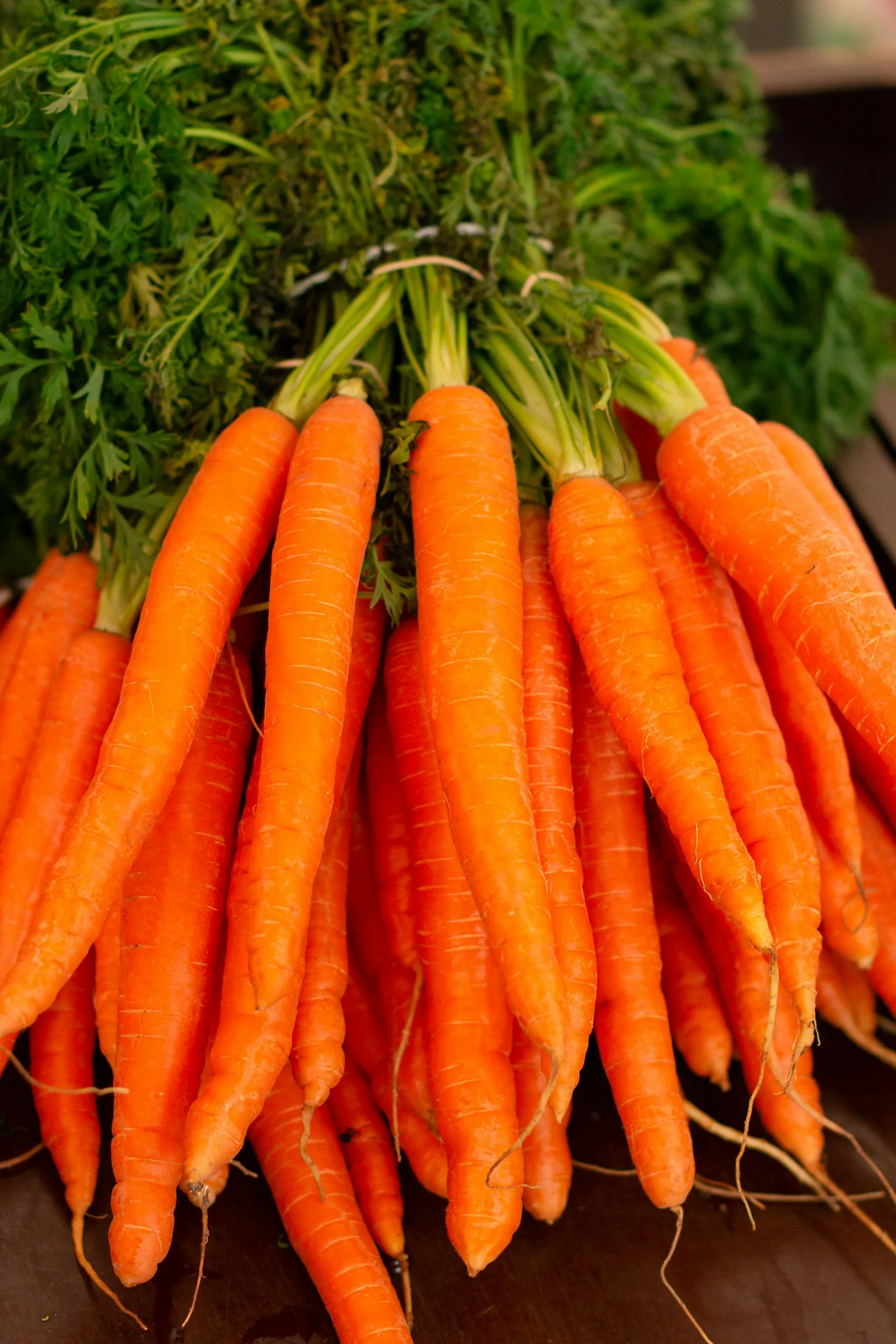
Orange carrots in white ceramic bowl
Photo: Unsplash on Unsplash

—- title: "Growing Carrots: Complete Garden Guide" slug: growing-carrots hub: vegetables category: Vegetable description: "How to grow carrots from seed to harvest: soil prep, spacing, watering, thinning, and fixing the most common problems. Backed by Extension research." date: 2026-06-10 updated: 2026-06-10 author: "Thomas A." reading_time: 9 —-

I don't grow carrots at home — my Long Island sandy loam is workable, but I've never committed the raised-bed space to root crops. This guide is sourced from the Cornell Cooperative Extension Vegetable Production Guide, Penn State Extension, and NC State Extension, which collectively represent the most thorough published research on home carrot production in the mid-Atlantic and Northeast.

Carrots have a reputation for being difficult. They are not difficult — they are specific. The requirements are well-understood: loose, deep soil free of stones and compaction, consistent moisture during germination (which takes 14—21 days at cooler temperatures), and thinning that most gardeners do too little of, too late.

Which carrot to grow

Daucus carota subsp. sativus is the cultivated carrot. Type selection matters more than most gardeners realize, because root length and shape must match soil depth and texture.

Imperator types (7—9 inches long, tapered): 'Imperator 58', 'Sugarsnax 54'. Require deep, loose soil — at least 10—12 inches free of compaction or stones. Best flavor when grown in loose sandy or amended loam.

Nantes types (6—7 inches, nearly cylindrical, blunt tip): 'Nelson', 'Bolero', 'Scarlet Nantes'. Per Cornell Cooperative Extension, Nantes types are among the most popular for home gardens because they tolerate heavier soils better than Imperator types and have excellent flavor. Good choice for amended clay or shallow raised beds.

Chantenay types (5—6 inches, wide at shoulder, tapers sharply): 'Red-Cored Chantenay', 'Royal Chantenay'. Per Penn State Extension, Chantenay types are recommended for heavy or rocky soils where longer types would fork. Roots are stockier and store well.

Mini/baby types (3—4 inches): 'Thumbelina' (round), 'Little Finger'. Suited to containers and very shallow soils.

Per Johnny's Selected Seeds growing guide, days to maturity range from 54 days ('Nelson', 'Yaya') to 76 days ('Scarlet Nantes', 'Bolero') depending on type and season.

USDA zones and temperature requirements

Per Cornell Cooperative Extension, carrots are a cool-season crop grown as an annual in all USDA zones (3—10). They require soil temperatures of 50—85°F for germination, with optimal germination at 75—80°F per Penn State Extension. Below 50°F, germination is very slow or fails; above 85°F, germination rates drop sharply.

In zone 7a (Long Island), the spring window is mid-March through mid-May — direct-sow once soil reaches 50°F at planting depth, typically late March to early April. A fall planting, sown in late July or August for harvest in October—November, is often more productive because maturing roots experience cool nights that increase sugar accumulation. Per NC State Extension, \"carrots are particularly sweet when the weather is cool during their maturation.\"

For fall plantings, count backward from the first expected frost: carrots need 10—14 days after the target harvest date to reach maturity. In zone 7a, plant for fall by late July to mid-August.

Soil preparation: the non-negotiable step

Root quality is almost entirely determined by soil preparation. Per Cornell Cooperative Extension, \"for the best root development, the soil should be deep, loose, well-drained, and free of stones and clods.\" Compacted layers, stones, or large clumps cause roots to fork, split, or develop the \"hairy root\" appearance associated with poor growing conditions.

Minimum soil depth: 10—12 inches for Nantes and Imperator types; 8 inches is sufficient for Chantenay types. Per Penn State Extension, work soil to a depth of 12 inches before planting, incorporating 2—3 inches of compost or aged manure to improve drainage and reduce clod formation.

Per Cornell, \"heavy soils can be improved by working in organic matter or growing carrots in raised beds.\" Raised beds filled with a blend of topsoil, compost, and coarse sand are the most reliable solution for heavy clay soils.

pH: Per NC State Extension, carrots grow best at a soil pH of 6.0—6.8. Test soil before planting; adjust with agricultural lime if pH is below 6.0 or sulfur if above 7.0.

Fertilizing: Per Cornell Cooperative Extension, work 1 pound of 5-10-10 fertilizer per 25 square feet into the top 3—4 inches of soil before planting. Excess nitrogen (high-nitrogen fertilizers, fresh manure) causes forking, \"hairy\" roots, and excess foliage at the expense of root development. Per Cornell, avoid fresh manure in the year of planting. Espoma Plant-tone 5-3-3 is a balanced organic option; its moderate nitrogen content is appropriate for root crops.

Seeding: the step most gardeners rush

Carrots are direct-sown — they do not transplant. The seed is small and slow to germinate.

Seeding depth: Per Penn State Extension, sow seeds 1/4 inch deep, 1/2 inch apart in rows 12—18 inches apart.

Germination time: 10—21 days at optimal temperatures. At 50°F (early spring), germination may take 3 weeks. Per Cornell, \"carrot seeds can take two to three weeks to germinate.\"

Keeping soil moist: This is the most common failure point. Carrot seeds must stay consistently moist from seeding through germination. Per NC State Extension, \"keep the seedbed moist throughout the germination period.\" In dry or hot weather, a thin layer of floating row cover fabric laid over the bed maintains moisture and reduces soil crusting. Remove cover immediately when seedlings emerge. Agribon row cover works well for this purpose and can later be used for pest exclusion.

Succession planting: Per Cornell, plant every 3 weeks from spring through early summer for continuous harvest.

Thinning: the step most gardeners skip

Crowded carrots do not develop proper roots. Per Penn State Extension, thin to 2—3 inches apart in the row when plants are 2—3 inches tall. Per Cornell, final spacing of 2—3 inches is required for full root development.

Thinning to 2-inch spacing means removing most of your seedlings — more than most gardeners are comfortable with. The instinct to let them grow \"just a bit longer\" before thinning is the primary cause of forked, stunted roots. Thin early, thin decisively.

Use scissors to snip the thinned seedlings at the soil line rather than pulling, which can disturb nearby seedling roots.

Watering

Per Cornell Cooperative Extension, carrots need about 1 inch of water per week. Consistent moisture is more important than volume — dry periods followed by heavy irrigation cause roots to crack and split. Per NC State Extension, \"water regularly to prevent cracking.\"

Soaker hose irrigation laid along rows delivers water at the root zone without wetting foliage, reducing fungal disease risk and soil surface crusting. Overhead watering is less effective because it can harden surface soil and promote the soil crust that impedes seedling emergence.

Harvesting

Per Cornell, most carrots reach harvest size at 1/2—3/4 inch diameter at the shoulder. Begin checking at the lower end of the days-to-maturity range for your variety; do not wait for the shoulder to turn orange at the soil line, as this is not a reliable indicator.

Per Penn State Extension, \"harvest before roots become over-mature, which causes cracking, pithy centers, and bitter flavor.\"

In cold climates, carrots can be left in the ground past first frost and even into early winter — frost improves sweetness by converting starches to sugars. Per Cornell, \"a light frost actually improves the flavor.\" Mulch heavily (4—6 inches of straw) after hard frost to keep the ground from freezing solid and extend in-ground storage.

Storing: Per NC State Extension, top greens should be removed before storage (greens draw moisture from roots). Refrigerate in a plastic bag with some moisture; carrots store for several months at 32—38°F.

Pests and diseases

Carrot rust fly (Psila rosae): The larvae of this fly tunnel through carrot roots, leaving rusty tunnels and causing roots to rot. Per Cornell Cooperative Extension, carrot rust fly is most serious in the Pacific Northwest and parts of the Northeast. Cultural controls: delay planting until after the main adult fly emergence in spring (late May in zone 7a); use floating row cover from seeding through harvest to exclude the adult fly. Agribon row cover sealed at the edges is the most effective organic control.

Aster yellows: A phytoplasma disease spread by leafhoppers. Per Penn State Extension, affected plants show yellow or pink discoloration and hairy secondary roots. There is no cure; pull and destroy affected plants. Control leafhopper populations with floating row cover early in the season.

Alternaria leaf blight (Alternaria dauci): Per Cornell, causes dark brown lesions with yellow halos on foliage in wet conditions. Manage with crop rotation (3-year minimum for carrots in any one location) and improved airflow.

Wireworms: Soil-dwelling larvae that bore into roots. Per Penn State Extension, wireworms are most common in soil that has been lawn or sod within the past 2—3 years. Avoid planting in recently turned sod areas; soil solarization before planting can reduce wireworm populations.

Common problems

SymptomMost likely causeFix
Forked or multi-rooted carrotsCompacted soil, stones, or fresh manureDeep, loose soil preparation; no fresh manure; raise pH if needed
Short, stubby rootsVariety wrong for soil depth; excessive clayUse Chantenay types in clay; amend with compost; raised beds
Cracked or split rootsIrregular watering after dry periodConsistent irrigation; soaker hose; mulch
Hairy secondary rootsNematodes, excess nitrogen, or recent lawn soilAvoid fresh manure; soil test for nematodes; crop rotation
Slow or failed germinationSoil too dry or too cold; seed too deepKeep soil moist for 3 weeks; soil temp 50°F minimum; seed 1/4 inch deep
Rusty tunnels inside rootCarrot rust fly larvaefloating row cover from seeding; delay spring planting
Yellow, distorted foliage with hairy rootsAster yellows phytoplasmaPull and destroy; control leafhoppers with row cover
Recommended gear: Best Soaker Hose for Vegetable Gardens (2026) — our buyer's guide covering picks for every budget, ranked by Extension publication consensus and personal use.

Frequently asked

Why did my carrots fork or develop multiple roots?

Forking is caused by obstructions in the soil — stones, clods, compacted layers, or hard subsoil. Per Cornell Cooperative Extension, \"for the best root development, the soil should be deep, loose, well-drained, and free of stones and clods.\" Fresh manure is another common cause: its high salt content and uneven nutrient distribution causes roots to fork and develop excessive secondary roots. Work soil to 12 inches, remove stones and large clods, and use aged compost rather than fresh manure.

When should I thin carrots?

Per Penn State Extension, thin when plants are 2—3 inches tall, reducing to 2—3 inches between plants. Waiting longer before thinning causes already-crowded roots to develop the forked, distorted shape you were hoping to avoid. Use scissors to snip thinned plants at soil level to avoid disturbing neighbors.

Can I grow carrots in containers?

Yes, with the right variety. Nantes and Chantenay types reaching 5—7 inches can be grown in containers at least 10—12 inches deep. Per NC State Extension, use a loose, well-drained potting mix. Mini types like 'Thumbelina' (round carrot, 2 inches diameter) perform well in containers as shallow as 8 inches. Standard Imperator types require containers at least 14 inches deep.

How do I get good carrot germination?

Per Cornell, carrot germination requires consistent soil moisture for the full germination period, which can be 10—21 days depending on temperature. Covering the seeded bed with a row cover or wet burlap maintains moisture without washing seeds away. Remove the cover immediately when you see seedlings breaking the surface. At soil temperatures below 50°F, germination slows dramatically — wait for warmer conditions rather than sowing into cold soil.

How much do I water carrots?

Per Cornell Cooperative Extension, carrots need 1 inch of water per week. During germination (the first 2—3 weeks), surface moisture is critical — water lightly and frequently to keep the top inch of soil moist without washing seeds. After seedlings establish, shift to deeper, less-frequent watering to encourage roots to grow downward.

Sources