Problem
Brown Leaves on Hydrangea: Causes and Fixes
title: "Brown Leaves on Hydrangea: Causes and Fixes"
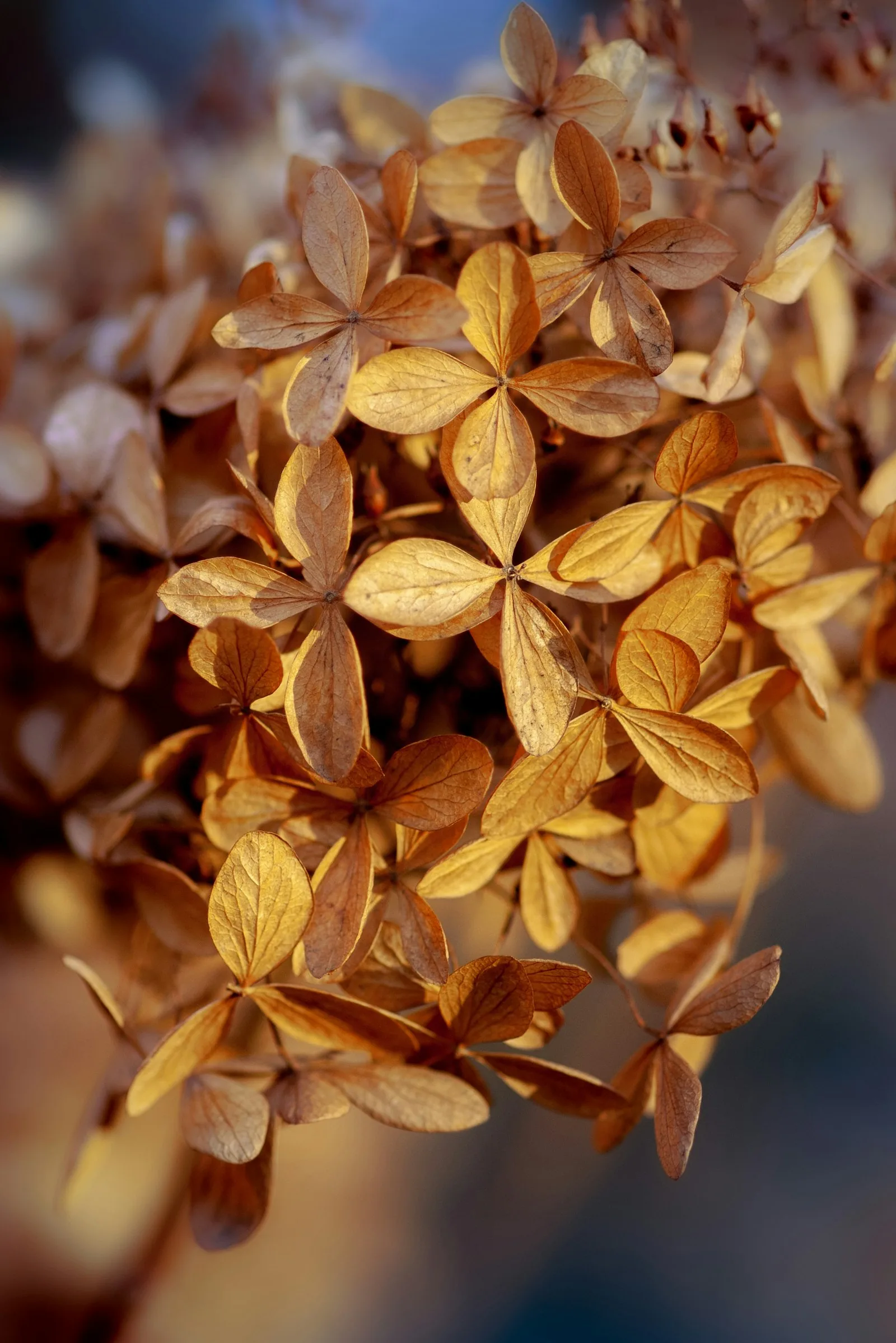
Photo: Unsplash on Unsplash Brown leaves on hydrangea is a symptom, not a diagnosis. Afternoon sun scorch produces brown that is crispy and concentrated at leaf edges and tips. Frost damage produces brown that is limp, water-soaked looking, and often blackened. Root rot produces brown that spreads from the base of the plant upward and is accompanied by wilting that doesn't respond to watering. Getting the cause right matters because the corrective actions are completely different.
I grow both Hydrangea macrophylla and H. paniculata in my Melville yard. The macrophylla on the south-facing bed shows brown leaf edges every August from afternoon heat — that's expected, and I don't intervene. The paniculata has never had a brown leaf problem.
The honest summary: Brown leaf edges on hydrangea are most often sun scorch (too much afternoon sun) or drought stress. Both are cultural issues, not disease. Brown that spreads inward from leaf edges accompanied by wilting suggests root problems or salt. Brown that appears rapidly after a frost or cold snap is frost damage — remove affected tissue and wait for recovery. Fungal diseases cause spotted brown patches with defined margins, not the diffuse edge-browning of environmental stress.Table of Contents
Reading the Pattern of Browning Sun Scorch and Heat Stress Drought Stress Frost Damage Salt Damage Root Problems and Crown Rot Fungal Leaf Diseases Common Situations Table Frequently Asked
Reader questions
Questions from other readers about this guide. Ask your own — if it's a good question, the answer goes here for the next reader.
Can brown leaves on hydrangea be saved?
The brown leaves themselves will not recover -- the damaged tissue is permanent. Per Clemson HGIC, the goal is to correct the underlying cause and allow the plant to produce new healthy foliage. In many cases -- sun scorch, drought, frost -- the plant recovers on its own once conditions improve. Removing badly affected foliage improves appearance and reduces disease risk.
Is sun scorch killing my hydrangea?
Rarely. Per Penn State Extension, sun scorch is an aesthetic problem for an established plant in the wrong position, but it does not typically kill the plant. It reduces the plant's vigor over time if the stress is severe and recurring, but most established bigleaf hydrangeas in suboptimal sun positions muddle through. The practical question is whether the plant blooms and grows acceptably, not whether the leaves look perfect.
How do I tell drought stress from root rot?
Both cause wilting with browning, but the soil and plant response differ. Per Missouri Botanical Garden, drought-stressed hydrangeas will recover -- often visibly -- within hours of deep watering. Root-rotted plants will not recover after watering; in fact, further watering makes things worse. Check the soil: soggy or waterlogged soil around a wilted plant is a clear signal of root problems, not drought.
Do hydrangeas get brown leaves from deer?
Deer browse hydrangea foliage, but the damage pattern is different from leaf browning -- they consume entire leaves or stem tips rather than causing marginal browning. Per Rutgers NJAES's deer resistance ratings, *H. macrophylla* is rated as occasionally to frequently damaged. In high-pressure areas like Melville, the damage is often to flower buds in winter rather than leaves in summer. --- > Recommended gear: The 10 best hydrangea cultivars by type (mophead, paniculata, oakleaf) — our buyer's guide covering picks for every budget, ranked by Extension publication consensus and personal use.
One honest gardening email a day for 30 days
Real techniques from a Long Island zone 7a garden, each tied to a primary Extension source. No listicles. No filler. Unsubscribe any time.
Send me the emails