Species guide

Lilac Care: Growing Syringa vulgaris Successfully

title: "Lilac Care: Growing Syringa vulgaris Successfully"

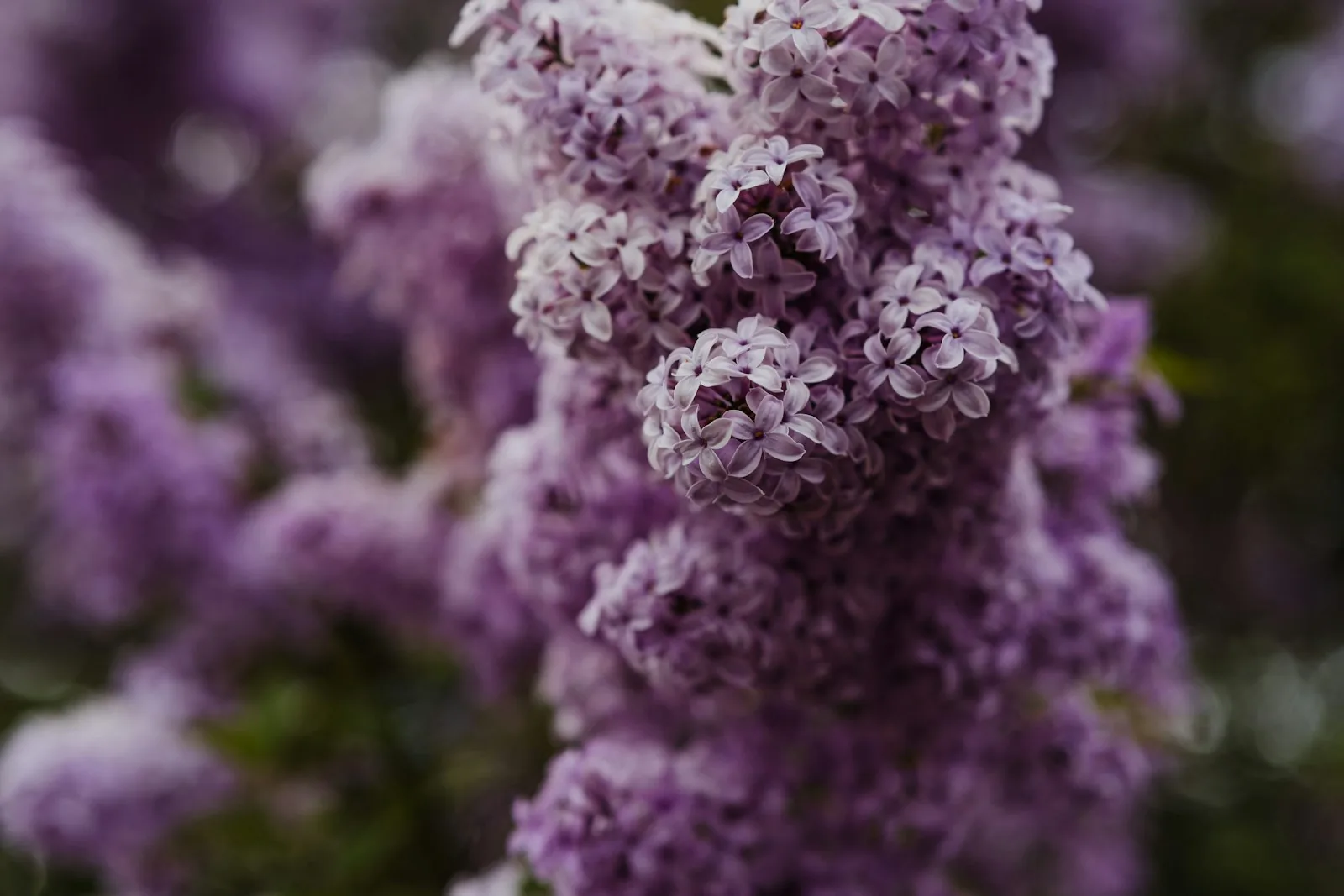
Vibrant purple lilac flowers blooming in spring
Photo: Unsplash on Unsplash

—- title: "Lilac Care: Growing Syringa vulgaris Successfully" slug: lilac-care hub: plants category: Species guide description: "How to grow common lilac (Syringa vulgaris) in zones 3–7. Pruning for best bloom, powdery mildew prevention, and choosing cultivars. Extension-sourced guide." date: 2026-06-10 updated: 2026-06-10 author: "Thomas A." reading_time: 9 scientific: "Syringa vulgaris" zones_min: 3 zones_max: 7 sun: "full sun" deer_resistant: true native: false pollinator: true bloom: "spring" height_min: 8 height_max: 15 —-

Syringa vulgaris — common lilac — is one of the most recognized flowering shrubs in North American gardens, valued primarily for its intensely fragrant flowers in shades of purple, lavender, pink, and white that bloom for 1–2 weeks in May. It is a long-lived woody shrub — per Missouri Botanical Garden, "long-lived" is the standard description, with documented plants persisting 100+ years around old farmhouses. The trade-offs: lilacs have a defined cold requirement that limits them in warm climates, they bloom only once per year, and they develop powdery mildew almost universally in humid eastern summers.

I don't grow lilacs in my current Long Island yard — the combination of our slightly alkaline sandy loam and the fact that our zone 7a climate is on the warm edge of their preferred range has made other shrubs a higher priority. This guide is sourced from Extension publications.

Cold requirement — why lilacs fail in warm climates

Per Missouri Botanical Garden, common lilacs "require a distinct cold period to bloom well" — they need winter temperatures below 40°F for several weeks to months for flower bud development. In zones 7 and warmer, particularly in humid coastal areas, insufficient chilling hours result in poor or absent bloom.

Per Oregon State Extension, lilacs "are cold-hardy plants that prefer cool, temperate climates." Zone 7 is the practical southern limit for reliable performance. In zone 7a climates like Long Island, performance is inconsistent year-to-year depending on winter severity — some winters provide adequate chilling, others don't.

Gardeners in zones 7–9 who want lilac fragrance have better options: per Missouri Botanical Garden, Syringa x laciniata (cutleaf lilac) and S. meyeri 'Palibin' (dwarf Korean lilac) are more heat-tolerant and bloom more reliably in warm climates.

USDA hardiness zones

Per Missouri Botanical Garden, Syringa vulgaris is hardy in zones 3–7. This is one of the coldest-hardy large flowering shrubs available — it thrives in zones 3 and 4 where many other ornamentals fail. The sweet spot is zones 4–6, where winter chilling requirements are met reliably and summer heat does not stress the plant excessively.

Light

Full sun, at minimum 6 hours of direct sun daily. Per Missouri Botanical Garden, lilacs "require full sun to bloom well." Shade reduces bloom significantly — a lilac in partial shade may produce only scattered flowers or none at all. This is the number one cause of non-blooming lilacs other than pruning at the wrong time: the plant is in too much shade.

Per Oregon State Extension, "insufficient sunlight will inhibit blooming." In an established landscape where trees have grown up around an originally sunny lilac, the increasing shade is a common and gradual cause of declining bloom.

Soil

Per Missouri Botanical Garden, lilacs "prefer slightly alkaline, well-drained soils" and do well in a pH range of 6.5–7.5. This is one of the few ornamental shrubs that prefers neutral to slightly alkaline soil — unlike rhododendrons, azaleas, or blueberries, which need acidic conditions. If your soil pH is already near neutral (6.5–7.0), no amendment is needed. In acidic soils (pH below 6.0), apply lime to raise pH before planting.

Good drainage is essential. Per NC State Extension Plant Toolbox, lilacs do not tolerate waterlogged soils. In clay soils, amend deeply with compost and ensure the planting site is not a low spot that holds water after rain.

Watering

Per Missouri Botanical Garden, established lilacs are reasonably drought-tolerant but perform best with regular watering during dry periods. Approximately 1 inch per week during active growth in spring; reduce in summer. Water at the base of the plant to keep foliage dry and reduce powdery mildew pressure.

Fertilizing

Per Missouri Botanical Garden, lilacs "are generally not heavy feeders." A single application of a balanced slow-release fertilizer in early spring is usually sufficient. Avoid high-nitrogen fertilizers, which promote excessive vegetative growth at the expense of flowers. Per Oregon State Extension, if the plant has good leaf color and blooms reliably, no supplemental fertilizer is needed. Over-fertilizing is a more common problem than under-fertilizing with established lilacs.

Pruning — the most important management decision

Per Missouri Botanical Garden, lilacs "bloom on old wood" — flower buds for next year's bloom form in the weeks immediately after this year's flowering. This has a direct implication:

Prune only immediately after flowering, within 2 weeks of bloom completion. Pruning in late summer, fall, or early spring removes the flower buds that formed the previous summer. The single most common reason a healthy lilac in adequate sun fails to bloom is being pruned at the wrong time.

Deadheading: Remove spent flower clusters promptly after bloom, per Oregon State Extension. This redirects the plant's energy from seed production into flower bud development for next year.

Annual maintenance pruning: Remove about one-third of the oldest, thickest stems at ground level each year for 3 years — a "renewal pruning" cycle. Per Missouri Botanical Garden, this keeps the shrub vigorous and prevents the "leggy with no bloom at eye level" problem that develops in old, unpruned lilacs.

Rejuvenation pruning of an overgrown shrub: Cut the entire plant to 6–8 inches from the ground in early spring. The plant will regenerate over 2–3 years but will not bloom during this period. Per University of Minnesota Extension, this drastic approach is appropriate for severely overgrown shrubs where gradual renewal is not practical.

Powdery mildew

Per NC State Extension, powdery mildew is nearly universal on lilac foliage in humid eastern U.S. summers. The white coating appears on leaves in July–August and can be severe, though it is cosmetic and not fatal — the plant stores energy through its root system and the mildew does not significantly affect next year's bloom.

Management: Per Missouri Botanical Garden, improve air circulation (prune for open structure), avoid overhead watering, and select less susceptible cultivars if available. Fungicide treatment of a large established lilac is generally not practical or warranted given the cosmetic nature of the damage.

If summer foliage appearance is a priority, per Penn State Extension, interplanting lilacs with summer-interest shrubs and perennials that draw attention away from the mildewed lilac foliage is the practical approach — lilacs bloom and look best in May; by August, the show is over.

Companion plants

Common problems

SymptomMost likely causeFix
No bloom on healthy plantWrong-time pruning; insufficient sun; insufficient coldPrune only after bloom; ensure 6+ hours sun; check zone suitability
White powder on summer foliagePowdery mildewCosmetic only; improve air circulation; select resistant cultivars
Suckering from baseNormal for grafted plants; also from own-root plantsRemove suckers at ground level if unwanted
Leggy with bloom only at topUnpruned old shrubBegin 3-year renewal pruning cycle
Yellow leavesAlkaline-excess soil or iron deficiencySoil test; adjust pH
Scale insects on stemsOystershell scale or San Jose scaleDormant oil spray in late winter

Frequently asked

Why won't my lilac bloom?

Per Missouri Botanical Garden, the three most common causes are: (1) pruning at the wrong time — removing the buds that form in summer after flowering; (2) insufficient sun — less than 6 hours daily; and (3) climate — zone 7 and warmer winters may not provide sufficient chilling hours for reliable bloom. The fix depends on which cause applies. Check sun exposure first; check pruning timing second; consider climate suitability if neither of those is the issue.

When should I prune my lilac?

Per Missouri Botanical Garden and Oregon State Extension, prune only immediately after bloom — within 2 weeks of when the last flowers fade. Remove spent flower clusters, cut out the oldest stems for renewal, and stop. Any pruning done after July removes next year's flower buds.

How big does a lilac get?

Per Missouri Botanical Garden, common lilac grows 8–15 feet tall and 6–12 feet wide at maturity, making it a large shrub or small multi-stemmed tree. Dwarf varieties like 'Miss Kim' and 'Palibin' stay 4–6 feet. Plan the planting site for the mature size, not the size at purchase — a lilac planted close to a house foundation will require significant management within 10–15 years.

Recommended gear: Best daffodil cultivars by bloom time (early, mid, late) — our buyer's guide covering picks for every budget, ranked by Extension publication consensus and personal use.

Sources

  1. Missouri Botanical Garden &mdash; <a href="https://www.missouribotanicalgarden.org/PlantFinder/PlantFinderDetails.aspx?kempercode=b626">Syringa vulgaris</a>.
  2. NC State Extension Plant Toolbox &mdash; <a href="https://plants.ces.ncsu.edu/plants/syringa-vulgaris/">Syringa vulgaris</a>.
  3. Oregon State Extension &mdash; <a href="https://extension.oregonstate.edu/news/lilac-care-maintenance">Lilac Care and Maintenance</a>.
  4. Penn State Extension &mdash; <a href="https://extension.psu.edu/perennials-in-the-landscape">Perennials in the Landscape</a>.
  5. University of Minnesota Extension &mdash; <a href="https://extension.umn.edu/planting-and-growing-guides/rejuvenating-older-shrubs">Rejuvenating Older Shrubs</a>.

Sources