Gardening in the Mountain West: Zones 3–6 Regional Guide
title: "Gardening in the Mountain West: Zones 3–6 Regional Guide"
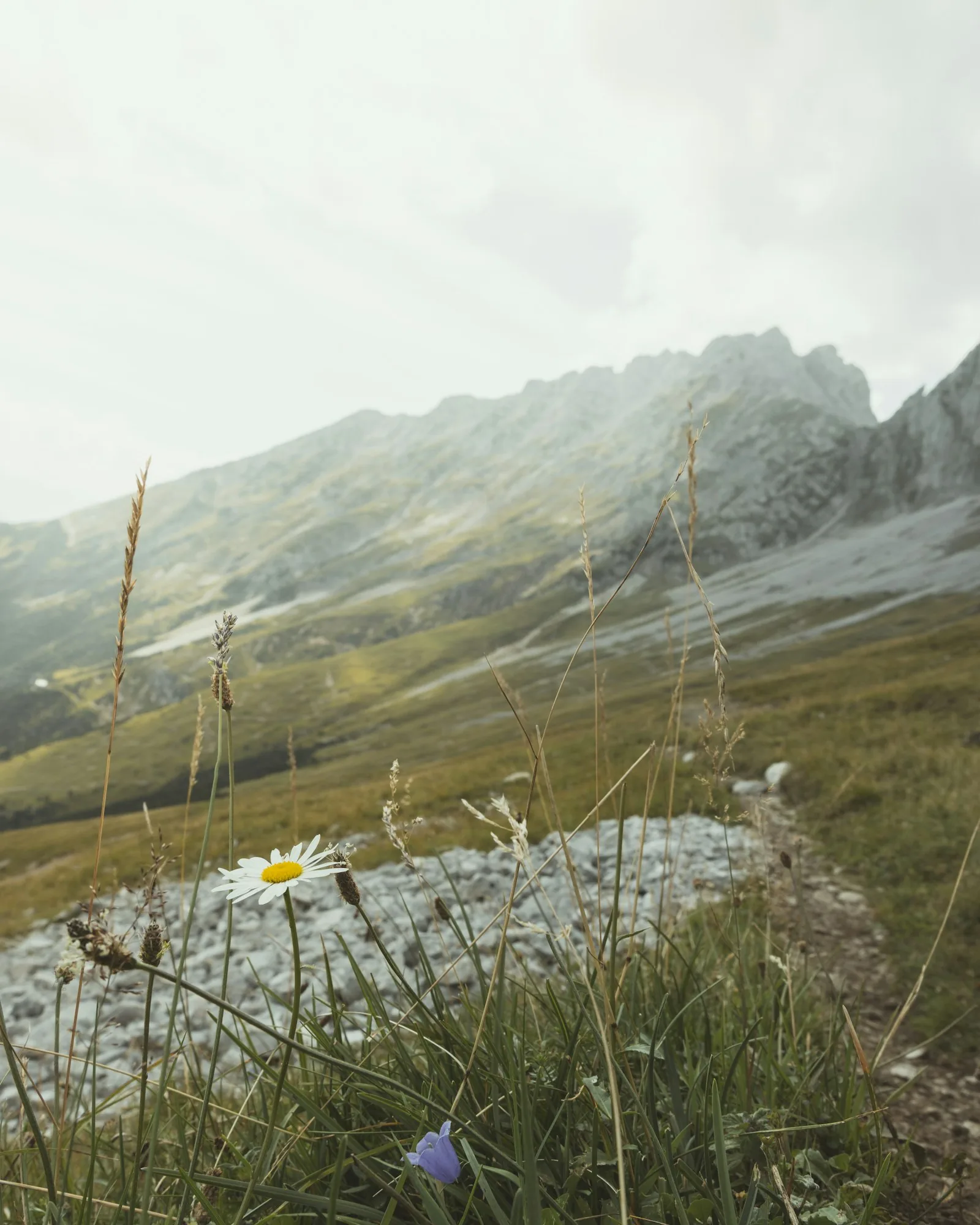
The Mountain West presents the most complex gardening puzzle in the continental US. Your USDA zone tells you your minimum winter temperature, but at elevation it tells you almost nothing about your actual growing conditions. A garden in Denver (zone 6a, 5,280 feet elevation) and a garden in Fort Collins (zone 5b, 4,980 feet) and a garden in Estes Park (zone 4b, 7,500 feet) all differ in ways the zone number cannot capture: frost frequency even in June, intense UV radiation at altitude, extreme daily temperature swings (40-degree shifts between afternoon high and overnight low are common), almost zero humidity, and alkaline soils that require specific management.
This guide covers Colorado, Utah, Wyoming, Montana, Idaho, and New Mexico. It draws on Colorado State University Extension, Utah State University Extension, University of Wyoming Extension, Montana State University Extension, University of Idaho Extension, and New Mexico State University Extension.
This article contains affiliate links. As an Amazon Associate, we earn from qualifying purchases - at no extra cost to you. We only recommend products we have personally tested or that are the universal first recommendation from university Extension publications. See our full disclosure.
Table of Contents
- USDA Zones, Elevation, and What They Mean Here
- Soil: Alkaline, Dry, and Low Organic Matter
- First and Last Frost Dates
- Seasonal Planting Calendar
- What Grows Best in the Mountain West
- What Does Not Work
- Pest Pressure
- Disease Pressure
- Native Plant Recommendations
- Frequently Asked
—-