Regional

Gardening in the Desert Southwest: Zones 8–10 Regional Guide

title: "Gardening in the Desert Southwest: Zones 8–10 Regional Guide"
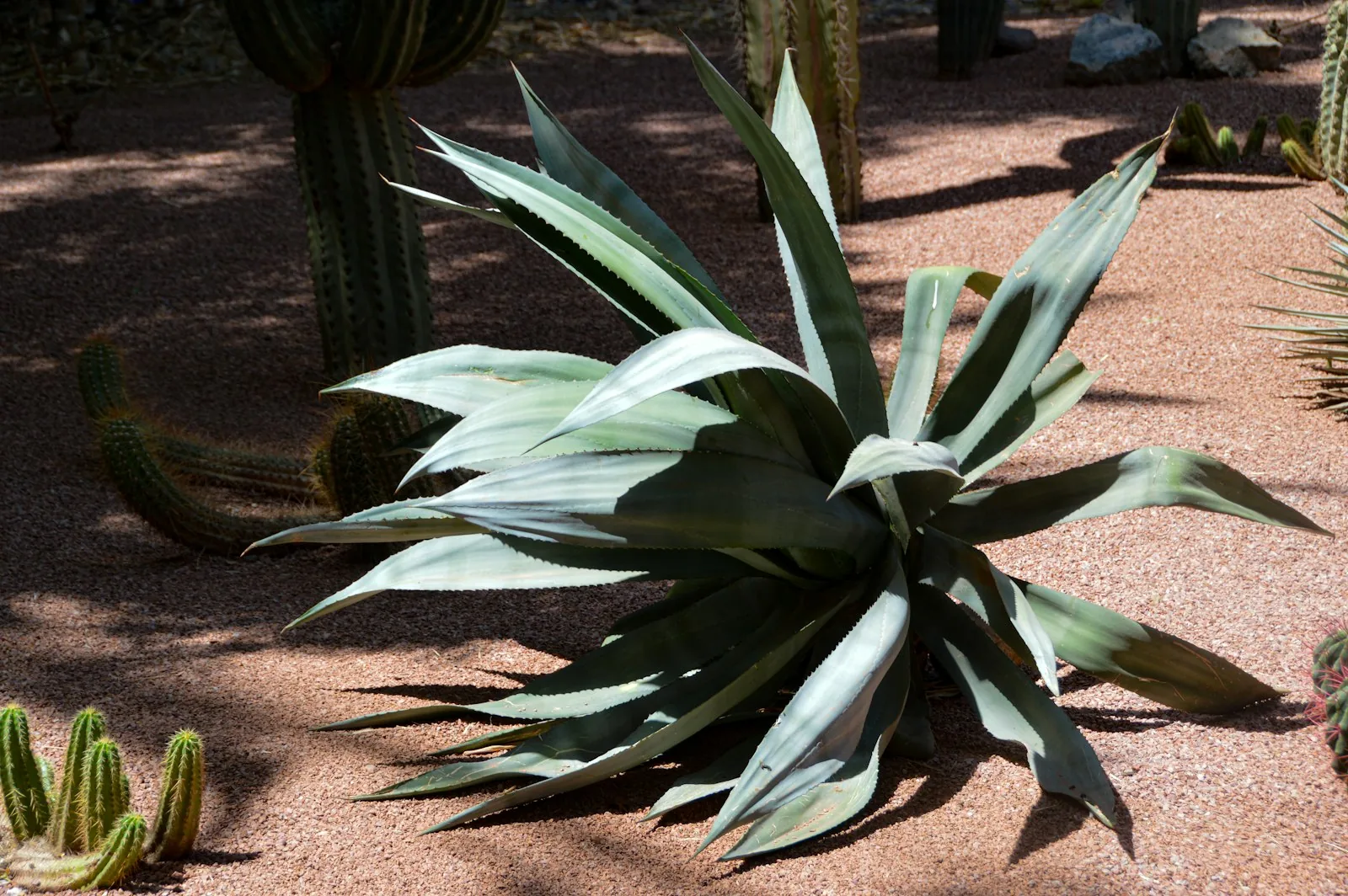
A small agave plant grows in gravel
Photo: Unsplash on Unsplash

—- title: "Gardening in the Desert Southwest: Zones 8–10 Regional Guide" slug: gardening-in-the-desert-southwest hub: care category: Care description: "Desert Southwest gardening guide for zones 8–10 in AZ, NM, NV, and southeast CA. Covers Sonoran and Chihuahuan desert conditions, monsoon planting, heat strategies, caliche, and xeriscape principles." date: 2026-06-10 updated: 2026-06-10 author: "Thomas A." reading_time: 12 —-

Desert Southwest gardening is a discipline unto itself. The region covers Arizona, New Mexico, Nevada, and the southeastern corner of California—an area of extreme heat (routinely 105–118°F in Phoenix and the low desert), minimal rainfall (3–8 inches annually in most of the Sonoran Desert), alkaline and caliche-layered soils, and a summer thunderstorm pattern (the monsoon) that delivers 40–60% of the year's precipitation in July through September.

Gardening here is not impossible. It is gardening on the desert's schedule rather than your own. The productive planting windows are fall through spring (October–May in the low desert), with summer reserved for heat-native plants, survival irrigation of established specimens, and waiting. The gardeners who thrive here learn to work with the desert rather than importing an Eastern or Midwestern garden framework and fighting the climate continuously.

This guide draws on University of Arizona Cooperative Extension, New Mexico State University Extension, University of Nevada Cooperative Extension, and the Desert Botanical Garden in Phoenix.

Table of Contents

  1. USDA Zones and Desert Subregions
  2. Soil: Alkaline, Caliche, and the Monsoon
  3. First and Last Frost Dates
  4. Seasonal Planting Calendar
  5. What Grows Best in the Desert Southwest
  6. What Does Not Work
  7. Pest Pressure
  8. Disease Pressure
  9. Native Plant Recommendations
  10. Frequently Asked

—-

USDA Zones and Desert Subregions {#usda-zones}

Per the USDA Plant Hardiness Zone Map:

ZoneMinimum Winter TempRepresentative Locations
Zone 7a0 to 5°FAlbuquerque NM at elevation, Las Vegas NV at higher elevations
Zone 8a10 to 15°FAlbuquerque NM (5,312 ft), Las Cruces NM, higher-elevation AZ
Zone 8b15 to 20°FTucson AZ (2,389 ft), Las Vegas NV (2,030 ft)
Zone 9a20 to 25°FPhoenix AZ (1,086 ft), El Paso TX (3,740 ft)
Zone 9b25 to 30°FYuma AZ, lower Rio Grande Valley
Zone 10a30 to 35°FPalm Springs CA area (Coachella Valley)
Zone 10b35 to 40°FDeath Valley fringe communities

Two major desert regions:

Sonoran Desert (southern Arizona, southeastern California, Baja California, northwestern Mexico): characterized by biseasonal rainfall (winter rains + summer monsoon), mild winters, and summer heat often exceeding 110°F. Per University of Arizona Cooperative Extension, Phoenix (zone 9a, 1,086 feet elevation) averages high temperatures of 104°F in June–July with nighttime lows only dropping to 83°F. The Sonoran Desert is the most biodiverse desert in North America.

Chihuahuan Desert (southern New Mexico, west Texas, northern Mexico): higher elevation (3,500–5,000 feet), colder winters, greater temperature swings. Per New Mexico State University Extension, Albuquerque at 5,312 feet receives 9 inches of rain annually but has a harder freeze (zone 7a–8a) than the low-desert Sonoran.

Mojave Desert (southern Nevada, southeastern California): characterized by primarily winter precipitation, very dry summers, and the hottest temperatures in North America (Death Valley). Las Vegas (zone 8b–9a, 2,030 feet) has cold winters that kill tropical plants but brutal summers.

—-

Soil: Alkaline, Caliche, and the Monsoon {#soil}

Per University of Arizona Cooperative Extension and New Mexico State University Extension:

Caliche. Caliche (calcium carbonate hardpan) is near-universal in Desert Southwest soils. Per UA Cooperative Extension, caliche layers form at various depths—from 4 inches to 4 feet—and are impermeable to both water and roots. When planting trees or large shrubs in caliche soils, the layer must be mechanically broken through with a tile spade, or water and roots will pool in a bathtub-like cavity above the hardpan and kill the plant. Per NMSU Extension, a simple test is to fill a planting hole with water: if it does not drain within 30 minutes, caliche or hardpan is blocking drainage.

Alkaline pH. Desert Southwest soils typically range pH 7.5–8.5, with some calcareous soils reaching pH 9.0. Per UA Extension, this high pH is the primary cause of iron, manganese, and zinc deficiencies in cultivated plants. Chelated iron (iron EDDHA, not iron EDTA, which is ineffective above pH 7.5) is the standard treatment.

Low organic matter. Native desert soils have 0.2–0.5% organic matter in surface layers. Per NMSU Extension, vegetable garden beds require 4–6 inches of compost incorporated to 12 inches depth to establish a productive growing medium. The hot desert summer decomposes organic matter rapidly, requiring annual replenishment.

Monsoon flooding. Per UA Extension, July–September monsoon storms deliver intense precipitation (0.5–2+ inches per hour) that exceeds infiltration rates and runs off impermeable soils and caliche. Raised beds with defined drainage channels, berms and basins to direct monsoon water to trees and shrubs (water harvesting), and French drains from areas that pool are standard desert garden infrastructure.

—-

First and Last Frost Dates {#frost-dates}

Per NOAA National Centers for Environmental Information:

USDA ZoneRepresentative CityAverage Last FrostAverage First FrostGrowing Season
Zone 8aAlbuquerque, NMApril 15–25November 1–10185–200 days
Zone 8bTucson, AZMarch 15–25November 20–30235–250 days
Zone 8bLas Vegas, NVMarch 25–April 5November 15–25220–240 days
Zone 9aPhoenix, AZJanuary 30–February 10December 10–20280–300 days
Zone 9bYuma, AZJanuary 15–25December 15–25295–320 days

Phoenix is nearly frost-free; the challenge is summer heat, not winter cold. The average December low in Phoenix is 44°F. Per University of Arizona Cooperative Extension, the Phoenix low desert gardener must plan around summer heat rather than winter cold.

—-

Seasonal Planting Calendar {#planting-calendar}

Per University of Arizona Cooperative Extension and NMSU Extension:

Fall (October–November) — Primary Planting Season for Cool-Season Crops and Perennials

This is the most important planting season in the Desert Southwest. Per UA Extension, fall planting of trees, shrubs, and native plants allows root establishment through the mild winter before the first brutal summer.

Winter (December–February, zones 9–10a) — Cool-Season Vegetable Peak Production

Spring (March–May)

Summer (June–September) — Extreme Heat + Monsoon

—-

What Grows Best in the Desert Southwest {#what-grows-best}

Based on trial data from UA Cooperative Extension, NMSU Extension, and the Desert Botanical Garden:

PlantZonesNotes
Saguaro cactus (Carnegiea gigantea) — native9a–10bThe Sonoran Desert icon; slow-growing (1 inch per year for first 10 years); extremely long-lived
Palo verde (Parkinsonia spp.) — native8b–11Per UA Extension, the state tree of Arizona; drought-adapted; outstanding yellow spring bloom
Agave americana8–11Extreme drought tolerance; remarkable specimen plant
Salvia greggii (autumn sage) — native6–9Outstanding year-round bloomer; drought-tolerant; hummingbird plant
Tepary bean (Phaseolus acutifolius)AnnualPer NMSU Extension, the most heat and drought-tolerant food legume; traditional desert SW crop
Lantana spp.8b–11Extreme heat tolerance; continuous bloom through desert summer
Hesperaloe parviflora (red yucca) — native5–10Native; outstanding hummingbird plant; extreme heat and cold tolerance
Chiltepin (Capsicum annuum var. glabriusculum)Annual/perennial in zone 9+Native wild chile; per UA Extension, a traditional desert SW food and wildlife plant
Pomegranate (Punica granatum)7–11Per UA Extension, excellent performer in alkaline desert soils; heat-tolerant
Encelia farinosa (brittlebush) — native8–11Native; prolific spring bloomer; extreme drought tolerance
Olea europaea (olive tree)8–11Exceptional in alkaline desert soils; per UA Extension, one of the most reliable Mediterranean fruit trees for the Desert Southwest
Jojoba (Simmondsia chinensis) — native8–11Native; extreme heat and drought tolerance; edible seed

—-

What Does Not Work {#what-does-not-work}

PlantWhy It FailsNotes
Paeonia lactiflora (peony)Insufficient chilling hours; zone 9a Phoenix provides fewer than 100 hours below 40°F; per UA Extension, peonies need 500–600Works in higher-elevation zones 7–8a of New Mexico (Albuquerque with chilling)
Rhododendron and AzaleaRequire acidic, moist, humus-rich soil; desert soils are the oppositeNot viable in the Desert Southwest
Lilacs (Syringa vulgaris)Insufficient chilling in zones 9a–10bPer NMSU Extension, some desertii-type lilacs bred for low-chill may work in Albuquerque
Hydrangeas (Hydrangea macrophylla)Cannot tolerate desert summer heat; afternoon sun in Phoenix kills plants rapidlyMorning sun with afternoon shade, in zones 8b only; not viable in zones 9–10
Camellia spp.Not drought-tolerant; cannot tolerate alkaline soils or Phoenix summer heatNot viable in the Desert Southwest
Cool-season vegetables in summerIn zones 9a–9b, summer temperatures above 105°F kill cool-season crops within days of plantingThe single most common beginner mistake in desert SW gardening
Lawns of cool-season grass (tall fescue, bluegrass)Per UA Extension, a 1,500 sq ft cool-season lawn in Phoenix requires 75,000+ gallons of water per yearPer UA Extension, replace cool-season lawns with desert-adapted ground covers or decomposed granite; Bermuda grass is more appropriate if turf is desired

—-

Pest Pressure {#pest-pressure}

Gophers and Ground Squirrels

Per University of Arizona Cooperative Extension, pocket gophers (Thomomys spp.) and round-tailed ground squirrels (Xerospermophilus tereticaudus) can destroy root systems of established plants. Hardware cloth barriers (1/4 inch mesh, 24 inches deep with 12 inches outward-bent base) are the standard prevention for vegetable beds. Per UA Extension, gopher trapping is the most effective control for individual animals once established.

Whiteflies

Per UA Cooperative Extension, the silverleaf whitefly (Bemisia tabaci) is a year-round pest in the Desert Southwest, particularly severe in the fall vegetable garden. Per UA Extension, sweet potato whitefly strain B (= silverleaf whitefly) caused over $500 million in crop losses in Arizona in the early 1990s. Physical row covers at planting, yellow sticky traps for monitoring, and biological control with Eretmocerus eremicus (a native parasitic wasp) are the primary management tools.

Bark Beetles and Borers

Per UA Extension, bark beetles (Scolytus spp.) and flatheaded borers (Agrilus spp.) are significant threats to stressed desert trees, particularly Arizona ash, desert willows, and native mesquites. Water-stressed trees are the primary targets; per UA Extension, maintaining adequate deep-soil moisture in established trees significantly reduces bark beetle susceptibility.

PestTarget PlantsPrimary Source
Pocket gophers (Thomomys spp.)All garden plants (roots)UA Extension
Silverleaf whitefly (Bemisia tabaci)Tomatoes, squash, ornamentalsUA Extension
Fire ant (Solenopsis invicta)All garden plants (southeastern AZ, NM)NMSU Extension
Spider mites (Tetranychus urticae)Tomatoes, beans — severe in hot dry pre-monsoon conditionsUA Extension
Bark beetles (Scolytus spp.)Stressed treesUA Extension
AphidsVegetables, citrus, rosesUniversity of Nevada Cooperative Extension

—-

Disease Pressure {#disease-pressure}

DiseasePathogenMost Affected PlantsNotes
Iron/Manganese chlorosispH-induced deficiency (not a pathogen)Roses, citrus, gardenias, many ornamentalsPer UA Extension, the most common "disease" symptom in desert gardens; treat with chelated iron EDDHA and soil acidification
Powdery mildewErysiphe spp.Squash, roses, cucumbersErupts dramatically with the monsoon's humidity in July–August; per UA Extension, resistant cultivars and good air circulation
Root rotPhytophthora spp., Pythium spp.All plants in waterlogged soils or over-irrigated sitesPer NMSU Extension, the most common cause of plant failure in desert gardens is over-irrigation, which causes root rot in alkaline, low-oxygen soil
Texas root rotPhymatotrichopsis omnivoraCotton, trees, vegetablesPer UA Extension, a desert-specific soil pathogen; most common in alkaline, heavy soils; no effective chemical treatment
BotrytisBotrytis cinereaVegetables, strawberriesOccurs during and after monsoon rains; per UA Extension, improve air circulation and avoid overhead irrigation
Citrus root rotPhytophthora parasiticaCitrusPer UA Extension, flooding and poor drainage enables infection; plant on berms or in raised areas with excellent drainage

—-

Native Plant Recommendations {#native-plants}

Per University of Arizona Cooperative Extension, NMSU Extension, the Desert Botanical Garden, and the Lady Bird Johnson Wildflower Center:

PlantUSDA ZonesWildlife ValueNotes
Parkinsonia microphylla (foothills palo verde)8b–11Native bees, birds (seed)State tree of Arizona; outstanding spring bloom
Larrea tridentata (creosote bush)7–1122+ specialist native bee speciesSignature Chihuahuan/Sonoran desert shrub; extreme drought tolerance
Hesperaloe parviflora (red yucca)5–10HummingbirdsNative; year-round dramatic form; coral-red flowers
Dalea pulchra (indigo bush) — native8–10Native beesSonoran Desert native; outstanding winter-spring bloom
Encelia farinosa (brittlebush)8–11Native bees, butterfliesSpring bloom blankets desert hillsides; extremely drought-tolerant
Sphaeralcea ambigua (desert globemallow)6–11Native bees (specialist)Native; drought-tolerant; remarkable orange spring bloom
Prosopis velutina (velvet mesquite) — tree8–11Birds, mammals (seed pods), native beesNative; nitrogen-fixer; edible pods; wildlife-critical
Fouquieria splendens (ocotillo)7–11HummingbirdsNative; remarkable architectural plant; scarlet flowers attract migrating hummingbirds

—-

Frequently Asked {#frequently-asked}

When do I plant tomatoes in Phoenix?

Per University of Arizona Cooperative Extension, Phoenix has two tomato planting windows: (1) the spring window, with transplants going in late January to mid-February—early enough to produce before June heat stops fruit set. Per UA Extension, tomatoes in the Phoenix low desert should be harvested before June; plants left in the ground through June heat typically stop producing until fall. (2) The fall window, with transplants in late July to mid-August (timing must avoid the worst heat of June-early July). Fall tomatoes produce October through December in zone 9a. Per UA Extension, choose short-season varieties (65–70 days) for both windows.

How does the monsoon affect desert gardening?

Per University of Arizona Cooperative Extension, the North American Monsoon arrives in the Arizona-New Mexico desert reliably in mid-July, bringing intense afternoon thunderstorms that deliver 40–60% of the annual rainfall in July–September. For gardeners, the monsoon brings: welcome soil moisture for established desert plants; flooding risk in flat areas without drainage channels; sudden fungal disease outbreaks in vegetable gardens after weeks of dry heat; and a second brief warm-season planting opportunity for okra, tepary beans, and black-eyed peas. Per UA Extension, water-harvesting earthworks (berms, swales, and basins) can capture monsoon runoff and direct it to trees and shrubs, significantly reducing irrigation needs for established landscapes.

What is the right way to irrigate in the desert?

Per UA Cooperative Extension and University of Nevada Cooperative Extension, the desert irrigation principle is: deep and infrequent rather than shallow and frequent. Shallow frequent irrigation keeps water in the top 6 inches of soil (where it evaporates quickly), encourages shallow root systems that are vulnerable to heat and drought, and in clay soils can create root rot conditions from persistent near-surface saturation. Per UA Extension, established desert trees and shrubs should be irrigated 2–3 feet deep, once every 7–21 days depending on season, with drip emitters delivering water slowly enough to infiltrate before runoff. Drip irrigation at the drip line (not at the trunk) is the recommended placement.

Can I grow fruit trees in the Desert Southwest?

Yes, with appropriate species selection. Per UA Cooperative Extension, the Desert Southwest is excellent for citrus (zones 9a–10b), pomegranates (zones 7–11), olives (zones 8–11), figs (zones 7–11), and jujubes (Ziziphus jujuba, zones 6–11). Per NMSU Extension, the Chihuahuan Desert region (Albuquerque, Las Cruces) grows excellent apples, pears, and peaches in the higher-elevation zones 7–8a because the cold winters provide adequate chilling hours. Low-chill-requirement stone fruits (peaches requiring fewer than 300 chilling hours) perform in zones 8b–9a. Per UA Extension, avoid planting stone fruits in the Phoenix low desert (zone 9a) unless you use the lowest-chill-hour varieties available, as insufficient chilling results in delayed, weak foliation and poor fruit set.

—-

Recommended gear: Best evergreen and deciduous azaleas by zone — our buyer's guide covering picks for every budget, ranked by Extension publication consensus and personal use.

Sources

  1. University of Arizona Cooperative Extension &mdash; <a href="https://extension.arizona.edu/">UA Extension Home</a>.
  2. New Mexico State University Cooperative Extension &mdash; <a href="https://aces.nmsu.edu/">NMSU Extension Home</a>.
  3. University of Nevada Cooperative Extension &mdash; <a href="https://extension.unr.edu/">UNR Extension Home</a>.
  4. Desert Botanical Garden &mdash; <a href="https://www.dbg.org/">Desert Botanical Garden Home</a>.
  5. USDA Agricultural Research Service &mdash; <a href="https://planthardiness.ars.usda.gov/">USDA Plant Hardiness Zone Map</a>.
  6. NOAA National Centers for Environmental Information &mdash; <a href="https://www.ncei.noaa.gov/">Climate Data</a>.
  7. Lady Bird Johnson Wildflower Center &mdash; <a href="https://www.wildflower.org/">Native Plant Database</a>.

Sources