Problem Diagnostics

White Spots on Leaves: [Powdery Mildew](/problems/powdery-mildew/) vs Leaf Scorch vs Spider Mites

White markings on leaves arrive at my Melville yard every summer -- on the catmint in late July, on the black-eyed Susans by August, and sometimes on the zucchini in humid stretches. Most years it's powdery mildew. Occasionally it's spider mite stippling. These look somewhat similar at a glance but.

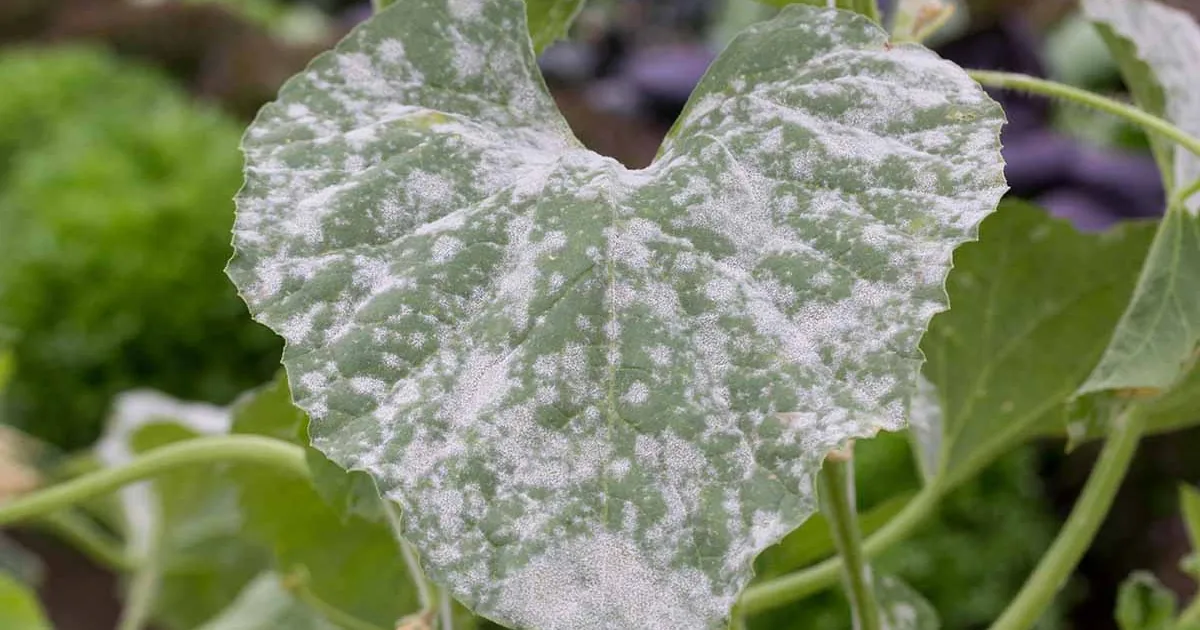
Plant leaves with white spots disease
Photo: Unsplash on Unsplash

—- title: "White Spots on Leaves: Powdery Mildew vs Leaf Scorch vs Spider Mites" slug: white-spots-on-leaves hub: problems category: "Problem Diagnostics" description: "White spots on leaves have three primary causes that look similar but require completely different responses. This guide distinguishes powdery mildew, leaf scorch, and spider mite stippling with specific diagnostic tests." date: 2026-06-10 updated: 2026-06-10 author: "Thomas A." reading_time: 8 —-

White markings on leaves arrive at my Melville yard every summer — on the catmint in late July, on the black-eyed Susans by August, and sometimes on the zucchini in humid stretches. Most years it's powdery mildew. Occasionally it's spider mite stippling. These look somewhat similar at a glance but are diagnosed differently and controlled differently.

Treating spider mite damage with a fungicide is ineffective. Treating powdery mildew with a miticide equally so. The diagnostic step is essential and not difficult if you know what to look for.

—-

Quick Identification Test

Before reading through the causes, do this first:

Rub test: Rub a white-marked area gently between your fingers.

Underside check: Turn the leaf over and examine the underside with a 10× hand lens.

—-

Cause 1: Powdery Mildew

Per Penn State Extension, powdery mildew is caused by several genera of obligate fungal parasites (Erysiphales). Different species affect different plants — the powdery mildew on cucumber (Sphaerotheca fuliginea) is not the same species as the one on lilac (Microsphaera alni) or catmint.

What it looks like: White to light gray powder-like growth on the upper leaf surface; sometimes on lower surface and stems. In early stages, small discrete circular white patches. In advanced stages, the entire leaf surface may be covered. Infected leaves may eventually yellow and drop.

Conditions: Per NC State Extension, powdery mildew thrives in conditions of low soil moisture stress, warm days (70—80°F), cool nights, and high humidity — but does not require wet leaves to infect. Per Clemson HGIC, overhead irrigation does not cause powdery mildew, a common misconception.

Most susceptible plants: Squash, cucumber, zinnia, bee balm (Monarda), phlox, lilac, rose, catmint, grape, apple, pear, crape myrtle.

Management:

—-

Cause 2: Spider Mite Stippling (Tetranychus spp.)

Per Cornell Cooperative Extension, two-spotted spider mite (Tetranychus urticae) and other mite species feed by piercing individual plant cells and extracting the contents. Each feeding puncture creates a tiny yellow or white stipple mark.

What it looks like: Numerous tiny white or yellow dots on the upper leaf surface; in heavy infestations, the entire leaf surface becomes mottled and pale. Fine, silky webbing on undersides of leaves and between leaves/stems in severe cases. Leaves may bronze, dry out, and drop.

The key difference from powdery mildew: The stippled dots are tiny (smaller than a pencil point), discrete, and do not rub off. There is no powder. Under magnification, each dot corresponds to an empty cell.

Conditions: Per NC State Extension, spider mites thrive in hot, dry, dusty conditions — the opposite of powdery mildew. Drought-stressed plants are most susceptible. Populations explode rapidly: under optimal conditions (above 85°F), mite populations can double every 3—5 days.

Most susceptible plants: Roses, ornamental grasses, tomato, cucumber, melon, strawberry, beans, many ornamentals.

Diagnosis confirmation: Tap an affected leaf over white paper — mites will fall off and be visible as tiny moving specks.

Management:

—-

Cause 3: Leaf Scorch (Abiotic)

Per Penn State Extension, leaf scorch is bleached or whitened leaf tissue caused by high-intensity light exposure, most commonly from:

What it looks like: Bleached white or tan patches on the upper leaf surface, most intense on the most sun-exposed leaves (top of the canopy, south-facing). The bleached tissue is dry and papery. No powder, no organisms, no webbing.

Differentiating from disease: Scorch does not spread from leaf to leaf — it is an environmental response, not an infection. Per NC State Extension, if new leaves emerging after the initial scorching appear normal, the cause is environmental. If new growth is also affected, a pathogen or systemic problem is more likely.

Fix: Provide adequate water, ensure soil is well-amended to support water uptake, and acclimate plants to increased sun exposure gradually. Scorched tissue does not recover but does not spread.

—-

Other White-Marking Causes

Per Penn State Extension, a few other conditions produce white leaf markings worth ruling out:

—-

Summary Table

White Marking TypeTextureUnderside EvidenceSpreads?Cause
White powder, rubs offPowderyMay have powder; no webbingYes (by spores)Powdery mildew
Tiny discrete dots, dryStippledWebbing + moving specksYes (mite spread)Spider mites
Bleached patches; paperyDry, bleachedClean; no organismsNoLeaf scorch
White/gray fuzz on undersideFuzzy undersideDense fuzzy growthYes (by spores)Downy mildew
White mineral spotsHard, powderyCleanNoSpray/water deposit

—-

FAQ

Powdery mildew is covering my phlox every August. Is there anything I can do long-term? Yes — replace with resistant cultivars. Per Penn State Extension, tall garden phlox (Phlox paniculata) 'David' (white), 'Robert Poore' (purple), and 'Katherine' (pink) have significantly improved powdery mildew resistance compared to older varieties. Fungicide applications suppress but do not eliminate the problem in susceptible cultivars planted in humid conditions.

My catmint gets powdery mildew every year. Should I treat? Per NC State Extension, catmint (Nepeta × faassenii, including 'Walker's Low') commonly develops powdery mildew in midsummer but this rarely affects plant health or longevity. Cutting plants back hard after the first bloom flush in June — a common practice anyway to stimulate rebloom — removes the most heavily infected growth. Treatment is typically not warranted.

Do spider mites live in soil? Per Clemson HGIC, spider mites live primarily on plant surfaces, not in soil. They overwinter under bark, in debris, and in soil, but the active damaging population is on the plant. Soil treatments are not effective. Foliar treatment with thorough underside coverage is required.

—-

Recommended gear: Best Neem Oil for Gardens: How It Works and When to Use It — our buyer's guide covering picks for every budget, ranked by Extension publication consensus and personal use.

Sources

  1. Penn State Extension &mdash; <a href="https://extension.psu.edu/powdery-mildew">Powdery Mildew</a>
  2. NC State Extension &mdash; <a href="https://plants.ces.ncsu.edu">Powdery Mildew; Spider Mites</a>
  3. Clemson HGIC &mdash; <a href="https://hgic.clemson.edu/factsheet/powdery-mildew/">Powdery Mildew</a>
  4. Clemson HGIC &mdash; <a href="https://hgic.clemson.edu/factsheet/spider-mites/">Spider Mites</a>
  5. Cornell Cooperative Extension &mdash; <a href="https://cce.cornell.edu">Spider Mite Management</a>
  6. Penn State Extension &mdash; <a href="https://extension.psu.edu/plant-problems">Diagnosing Plant Problems</a>

Sources