Diagnostic guide

Stunted Growth in Vegetables: Diagnostic Guide

Stunted vegetable growth — a diagnostic guide for transplant shock, cold soil temperatures, nutrient deficiency, root constraints, and soil compaction in the vegetable garden.
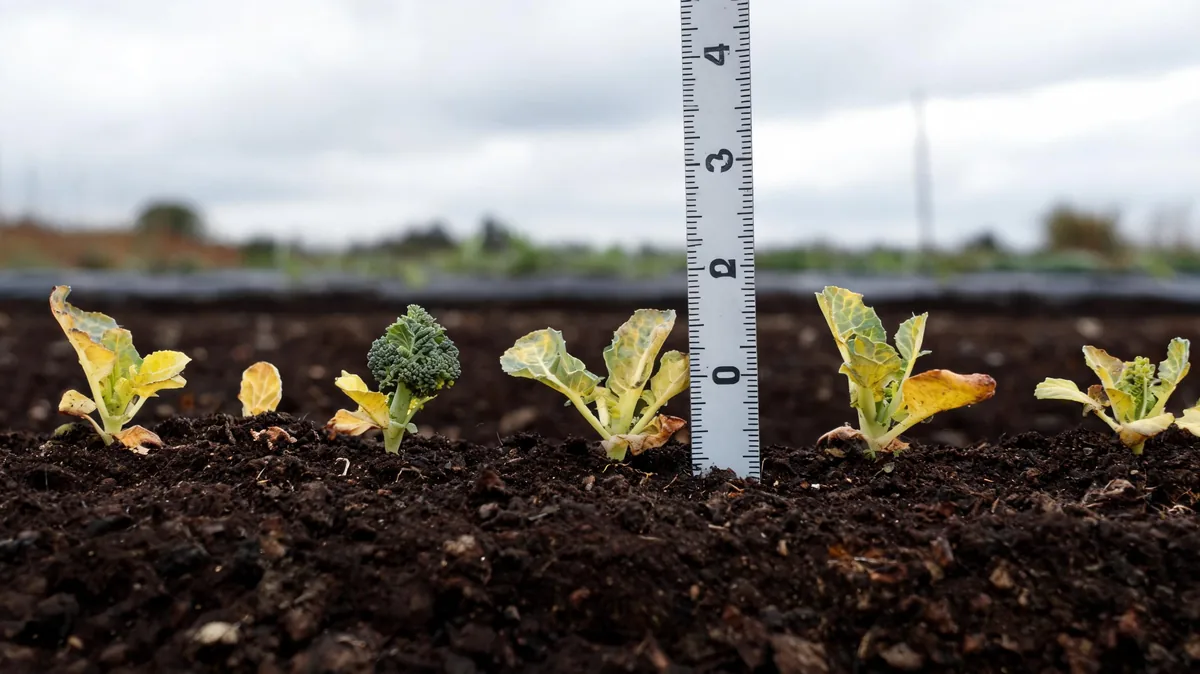
Row of stunted tomato seedlings in a vegetable garden next to healthy transplants, showing cold soil effect
Original brand image — Outdoor Plant Care

The diagnostic decision tree

Step 1: What's the soil temperature?

The single most under-appreciated variable in vegetable gardening. Use a soil thermometer (inexpensive and among the most useful garden tools you can own) to measure soil temperature at 4-inch depth. Per Penn State Extension:

Cold soil is the most common cause of stunted tomatoes and peppers planted by eager gardeners in late April when air temperatures are nice but soil is still 55°F. The plants look fine for 2 weeks, then just sit there. They're not dead — they're waiting for the soil to warm up.

Step 2: When were these plants put in the ground?

Plants installed within the last 1–3 weeks are almost certainly still in transplant shock adjustment. Root establishment takes 1–3 weeks in warm conditions, longer in cold. Per Penn State Extension, "it is normal for vegetable transplants to look static or even somewhat worse for the first 1–2 weeks after transplanting — this is root establishment, not failure."

Step 3: What do the leaves look like?

Yellow overall: usually nitrogen deficiency or overwatering (root rot). Yellow between veins (green veins on yellow leaf): iron or manganese deficiency from high pH. Pale overall with slow growth: phosphorus deficiency common in cold soils (phosphorus uptake is temperature-limited). Purple tinting on leaves and stems: phosphorus deficiency, also more visible in cold conditions. Dark green but stunted with thick stems: often excess nitrogen producing vegetative growth at the expense of root development.

Cause 1: Cold soil temperature

How to confirm

Soil thermometer reads below 60°F for warm-season crops. Plants were installed in early spring when air temperatures felt appropriate but soils had not warmed. Per Penn State Extension, "soil temperature at 4 inches is the more accurate planting guide than air temperature for warm-season vegetables." Soil warms more slowly than air — a week of 70°F air temperatures may still mean 55°F soil at 4 inches.

How to fix

Red or black plastic mulch laid on the bed 2–3 weeks before planting warms soil significantly (up to 8–10°F warmer under red plastic). Row covers or low tunnels trap heat around small transplants without warming the soil as dramatically. Per Penn State Extension, raised beds warm 1–2 weeks earlier than in-ground beds, making them the standard recommendation for early-season warm-crop production in short-season regions. If plants are already in cold soil: be patient, keep them protected from wind and late frosts, and they will surge forward when soil finally warms — the root system is developing underground.

Recovery timeline

Once soil temperature reaches 65°F, warm-season crops show visibly accelerated growth within 7–10 days. A tomato that appeared stalled for 3 weeks in cold soil often catches up to greenhouse-grown plants within 2–3 weeks once soil warms.

Cause 2: Transplant shock

How to confirm

Wilting, leaf edge browning, or leaves turning purple/bronzed in the 1–3 weeks after transplanting. The plant was fine in its container but struggling to establish in the garden. Per Penn State Extension, transplant shock causes include: root loss or tearing during transplanting, failure to harden off greenhouse-grown transplants before outdoor planting, and planting during hot, sunny conditions without temporary shade or wind protection.

How to fix

Harden off transplants: move them outdoors to a sheltered, partially shaded spot for 7–10 days before planting in the garden, gradually increasing light exposure. Transplant in the evening or on cloudy days to reduce initial stress. Water immediately and consistently after planting. Per Penn State Extension, applying a dilute starter fertilizer (high phosphorus, such as 10-52-17) to the transplant hole encourages rapid root development. Temporary shade cloth (30–50% reduction) over new transplants during the first week significantly improves survival and reduces shock.

Recovery timeline

Most vegetable transplants recover from normal shock within 7–14 days and begin vigorous growth. Beans, squash, and cucumbers, being direct-sown in most home gardens, don't experience transplant shock in the same way.

Cause 3: Nutrient deficiency

How to confirm

Soil test is the definitive tool. Per Penn State Extension, "a soil test before establishing a vegetable garden is the most cost-effective investment available to the home gardener" — $15–25 for a basic test that tells you exactly what to add. Without a test, the most common deficiency causing stunting in vegetable gardens is nitrogen (overall yellowing and slow growth), followed by phosphorus deficiency in cold soils (purple tinting, slow root development).

How to fix

Follow soil test recommendations. For nitrogen: side-dress growing plants with a balanced granular fertilizer worked into the top inch of soil, or apply a dilute liquid fertilizer. For phosphorus deficiency in cold soils: raising soil temperature (plastic mulch, row covers) immediately increases phosphorus availability. If pH is above 7.0, lower it — high pH locks out multiple nutrients including iron, manganese, and zinc regardless of what's applied. Per Penn State Extension, "a pH between 6.0 and 7.0 provides optimal nutrient availability for most vegetables."

Cause 4: Root constraints

How to confirm

Plants growing in containers that are too small; plants in raised beds with shallow fill over compacted native soil; or roots encountering hardpan, caliche, or very heavy clay below the bed. Symptoms: plants appear healthy initially and then abruptly stop growing as the root system hits a constraint. Per University of Minnesota Extension, "raised beds should be at least 12 inches deep for most vegetables, and 18–24 inches for root crops like carrots and parsnips."

How to fix

For shallow raised beds over compacted soil: deepen the bed fill or loosen the underlying soil with a fork before filling. For containers: repot into larger containers with fresh potting mix that includes perlite for drainage. For in-ground vegetable beds over hardpan: double-dig or use a subsoil chisel to break through compacted layers before planting.

Cause 5: Root disease (Pythium, Fusarium root rot)

How to confirm

Wilting even when soil is moist; brown, water-soaked, or mushy roots (examine by gently pulling the plant and washing the roots). Often occurs when soil is too wet and oxygen-deficient. Per Penn State Extension, Pythium root rot is "the most common root disease in over-irrigated or poorly drained vegetable beds." The distinction from drought stress: the soil is wet, not dry, when the plant wilts.

How to fix

Improve drainage immediately. Remove severely affected plants. Let the soil dry to the appropriate level before watering again. In raised beds, check that drainage holes are not plugged. Per Penn State Extension, "prevention through proper drainage and avoiding overwatering is the only reliable management" — there are no effective soil-applied fungicides for home garden Pythium control.

Sources