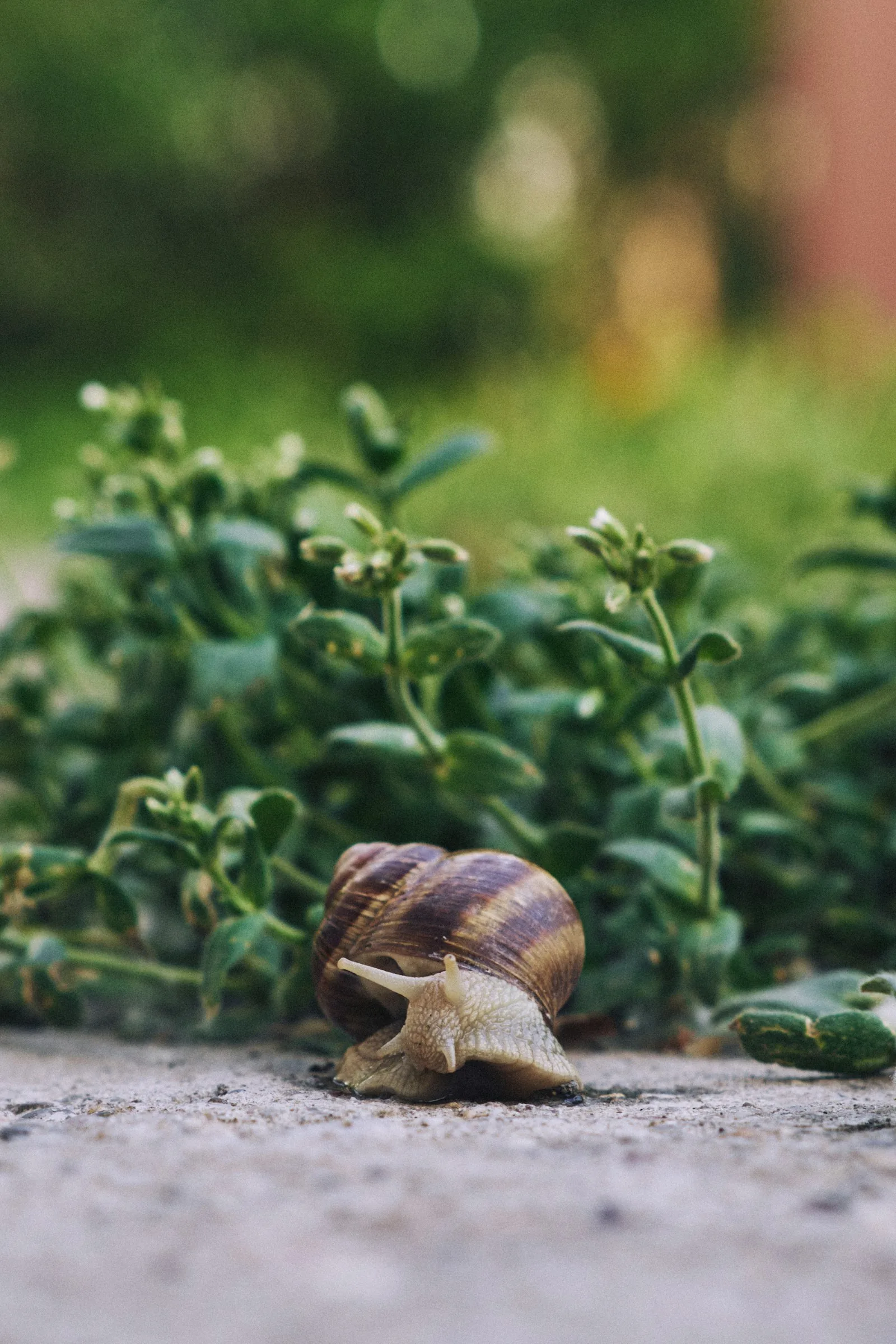
Slugs and snails cause some of the most recognizable damage in the garden — ragged, irregular holes in leaves, with a silvery slime trail as evidence. They are active at night and in wet weather, which is why gardeners often see the damage without seeing the culprit. In cool, moist climates and seasons, they can cause serious damage to hostas, lettuce, strawberries, and young seedlings.
In my Melville garden, slugs are a consistent problem on the hostas — the large-leaved varieties in shadier spots are hit every spring and early summer. The damage is cosmetic; an established hosta handles it. But in the vegetable garden and around young transplants, slug pressure can be severe enough to require active management.
This article contains affiliate links. As an Amazon Associate, we earn from qualifying purchases - at no extra cost to you. We only recommend products we have personally tested or that are the universal first recommendation from university Extension publications. See our full disclosure.
Get the seasonal care notes — no upsell, unsubscribe any time.
One email per month from Thomas: what to plant, what to prune, what's about to break. Cited the same way as the guides.
Free. No spam. Same author as the guide you just read.
Got it — check your inbox to confirm. Welcome.
Kill slugs, safe for pets
Iron phosphate baits stop slugs feeding within a day. Kids and pets can walk on treated soil safely — no metaldehyde poisoning risk. Read our full pick.