Problem

Blossom Drop on Tomato and Pepper: Causes and Fixes

title: "Blossom Drop on Tomato and Pepper: Causes and Fixes"

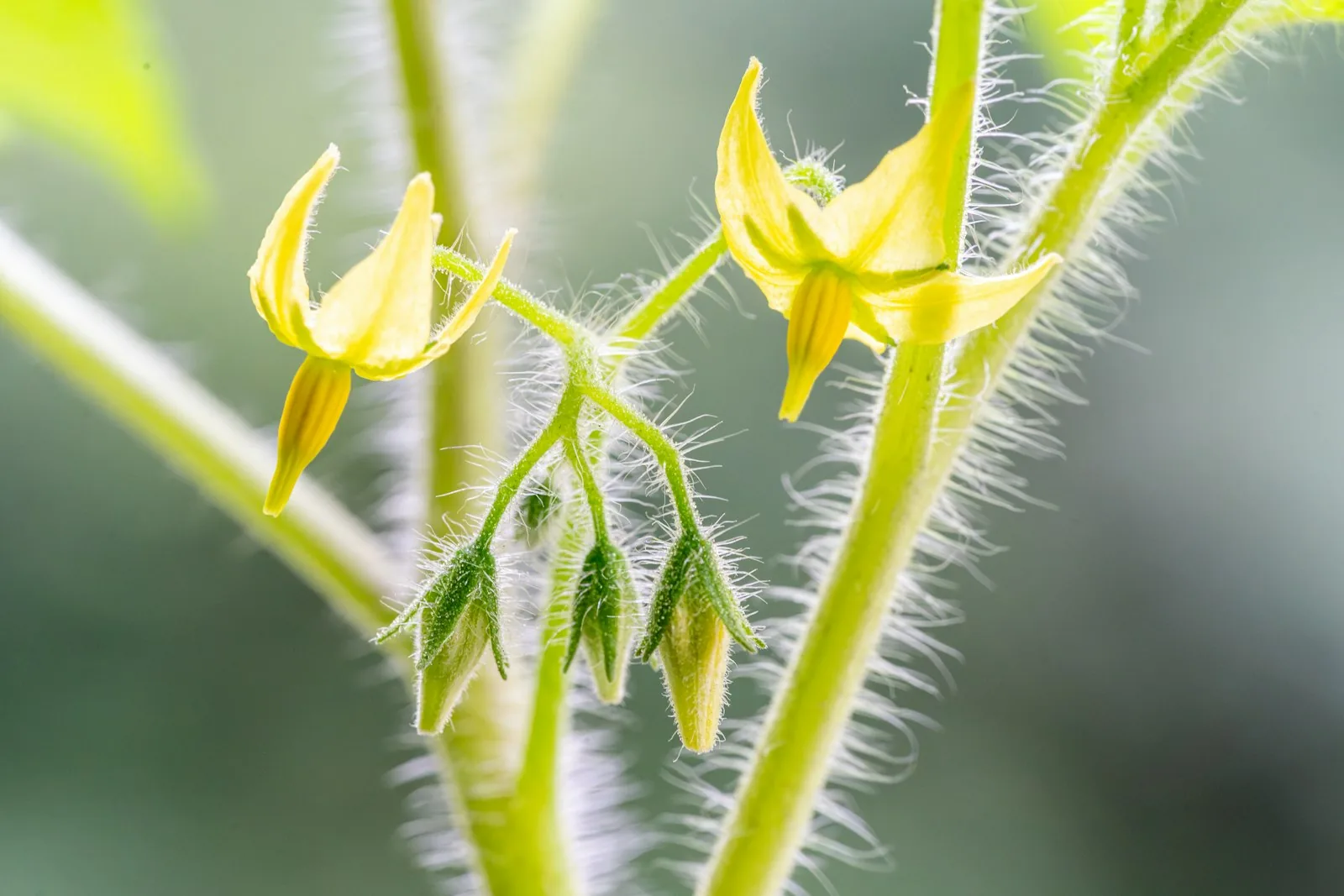
yellow tomato flowers blooming on the vine
Photo: Unsplash on Unsplash

—- title: "Blossom Drop on Tomato and Pepper: Causes and Fixes" slug: blossom-drop-tomato hub: problems category: Problem description: "Tomato and pepper blossoms falling off without setting fruit: what causes blossom drop, how temperature extremes and humidity affect fruit set, and what to do." date: 2026-06-10 updated: 2026-06-10 author: "Thomas A." reading_time: 7 —-

Tomato blossoms appearing, then falling off the plant without producing fruit, is one of the most common and frustrating problems in the summer vegetable garden. The plant looks healthy. The flowers look normal. They just drop.

Blossom drop is almost always caused by environmental stress, not disease. Per Missouri Botanical Garden, the primary causes are temperature extremes, high or low humidity, irregular watering, and excess nitrogen. Understanding which factor is causing the drop is necessary for a correct response — because the fixes are different for each cause.

Why blossoms drop: the mechanism

Tomato and pepper fruit set requires successful pollination and fertilization. Tomato flowers are self-fertile — each flower contains both male and female parts — but the process is sensitive to environmental conditions.

Per Missouri Botanical Garden, pollen viability and release are affected by temperature and humidity. When conditions are outside the optimal range, pollen fails to shed or the pollen tube fails to grow normally, pollination is incomplete, and the plant abscises (drops) the unfertilized flower.

The abscission is the plant's resource management: it does not continue investing in a flower that won't produce a viable fruit.

Causes by category

Temperature: the primary cause

Per Penn State Extension, the critical temperature thresholds for tomato:

For pepper, per Penn State Extension, the temperature limits are similar but pepper is somewhat more sensitive to cool nights than tomato.

On Long Island in zone 7a, blossom drop typically occurs in two windows: (1) early transplanting when nights are still below 55°F (before June 1 in some years), and (2) August heat waves when nights remain above 75°F for multiple consecutive days.

Humidity extremes

Per Missouri Botanical Garden, humidity affects pollen release:

Both extremes cause blossom drop. High humidity combined with high nighttime temperatures is particularly problematic in the Northeast in late July and August.

Irregular watering

Per Missouri Botanical Garden, irregular soil moisture — periods of drought followed by heavy watering — causes blossom drop independent of temperature. Consistent soil moisture is important both for fruit set and for calcium transport (which relates to blossom end rot, a different but connected problem).

Excess nitrogen

Per Missouri Botanical Garden, excessive nitrogen fertilization during the fruiting period pushes vegetative growth at the expense of flowering and fruit set. The plant channels energy into leaves and stems rather than fruit. Heavy applications of high-nitrogen fertilizer (above 21-0-0 lawn fertilizers, fish emulsion applied too often) around tomatoes are a common cause.

Insufficient light

Per Penn State Extension, less than 6 hours of direct sunlight per day reduces flowering and fruit set. Tomatoes and peppers are full-sun crops. Partial shade slows everything down; deeply shaded plants may flower sparsely and drop most blossoms.

Insufficient pollination

Per Missouri Botanical Garden, tomato pollen is released through vibration — bees and wind normally provide this stimulus. In very still conditions without bee activity, or when tomatoes are grown in a very sheltered location with little air movement, pollination can be incomplete. Gently tapping the flower clusters or using an electric toothbrush against the back of open flowers simulates the vibration needed for pollen release.

Diagnosis table

ConditionWhen it happensWhat you see
Night temps above 75°FAugust heat wavesWidespread blossom drop; otherwise healthy plant
Night temps below 55°FSpring, before nights warmDrop on earliest blossoms; later flowers set fine
Day temps above 95°FHeat wavesDrop plus possible leaf roll, heat stress
Low humidityDry, hot, windy weatherDrop; pollen may appear dry
Excess nitrogenAfter heavy fertilizationLots of foliage, few flowers or blossoms that drop
Irregular wateringAfter dry stretch followed by rainDrop combined with blossom end rot symptoms

Management

Do nothing during heat waves

Per Penn State Extension, during high-temperature periods that cause drop, "there is little that can be done to prevent the loss." The flowers on the plant will drop. New flowers will form when temperatures moderate. The plant is not sick.

Choose heat-tolerant varieties for summer planting

Per Missouri Botanical Garden, some tomato varieties are bred to set fruit under higher temperatures. Varieties noted for heat tolerance in commercial and university trials include 'Heatmaster', 'Solar Fire', 'Floradade', and cherry tomatoes such as 'Juliet' and 'Sun Gold', which tend to set more reliably in heat than large-fruited types.

Time plantings correctly

For Long Island and the Northeast: per Rutgers NJAES, transplant tomatoes after nighttime temperatures are consistently above 55°F — in zone 7a, typically after May 15. Early June transplants skip the cold-night drop window entirely and time fruit set for summer.

Consistent irrigation

Use a soaker hose or drip irrigation to maintain even soil moisture. A soaker hose on a timer is the most reliable way to prevent the wet-dry cycling that causes blossom drop and blossom end rot simultaneously.

Fertilize correctly

Use a balanced tomato fertilizer rather than high-nitrogen lawn fertilizer. Per Penn State Extension, once tomatoes are in flower, fertilization should be reduced or stopped until fruit begin to set, then resumed at a moderate rate. Espoma Tomato-tone (3-4-6) provides a lower nitrogen, higher phosphorus ratio appropriate for the fruiting phase.

Blossom set sprays: limited use

Products containing 4-CPA (para-chlorophenoxyacetic acid) sold as "blossom set" sprays can chemically induce fruit set without complete pollination. Per Missouri Botanical Garden, results are inconsistent, and fruit produced without fertilization may be misshapen. These are a last resort for early-season cold weather situations, not a substitute for adequate growing conditions.

Common problems table

SymptomCauseFix
Blossoms dropping during August heat waveNight temps above 75°F; pollen sterilityNothing to do; plant will resume setting when temps drop
Blossoms dropping on early-season transplantsNight temps below 55°FWait; plant later next year; first flowers rarely set anyway
Lots of foliage, few flowers, flowers dropExcess nitrogenStop nitrogen fertilization; switch to lower-N tomato fertilizer
Drop with simultaneous blossom end rot on fruitIrregular wateringEven soil moisture; mulch; drip irrigation
Drop in still, sheltered locationInsufficient pollination vibrationGently shake flower clusters daily; ensure some air movement

Frequently asked

Is blossom drop a disease I can spray?

No. Blossom drop is a physiological response to environmental stress. Per Missouri Botanical Garden, no fungicide, bactericide, or insecticide affects blossom drop. The cause is temperature, humidity, water, or nutrition — not a pathogen.

Why do my tomatoes set fruit early and late but not in August?

The typical Long Island pattern: early blossoms may drop if nights are still below 55°F; mid-season growth is productive; then late July through August heat waves cause another drop; then production resumes in September when nights cool. Per Penn State Extension, this is expected behavior with standard varieties. Heat-tolerant varieties close some of the August gap.

Do cherry tomatoes have less blossom drop than large tomatoes?

Generally yes. Cherry and grape tomatoes tend to set fruit more reliably under heat stress than large-fruited types. Per Rutgers NJAES, small-fruited types like cherry tomatoes continue producing through late summer heat that causes large-fruited varieties to pause.

Does shaking plants really help pollination?

Yes, when the cause is inadequate pollination rather than temperature extremes. Per Missouri Botanical Garden, tomato pollen requires vibration to release — the same mechanism that bumblebees use when they "buzz pollinate." Gently shaking the plant or a flower cluster during midday when temperatures are optimal can improve fruit set in low-pollinator situations or sheltered gardens.

Recommended gear: Best Soaker Hose for Vegetable Gardens (2026) — our buyer's guide covering picks for every budget, ranked by Extension publication consensus and personal use.

Sources

  1. Missouri Botanical Garden &mdash; <a href="https://www.missouribotanicalgarden.org/gardens-gardening/your-garden/help-for-the-home-gardener/advice-tips-resources/insects-pests-and-problems/environmental/tomato-blossom-drop">Tomato Blossom Drop</a>
  2. Penn State Extension &mdash; <a href="https://extension.psu.edu/blossom-drop-of-tomatoes-and-peppers">Blossom Drop of Tomatoes and Peppers</a>
  3. Rutgers NJAES &mdash; <a href="https://njaes.rutgers.edu/FS678/">Tomato Production in the Home Garden</a>

Sources