Viburnum Care: Growing Viburnum Shrubs
title: "Viburnum Care: Growing Viburnum Shrubs Successfully"
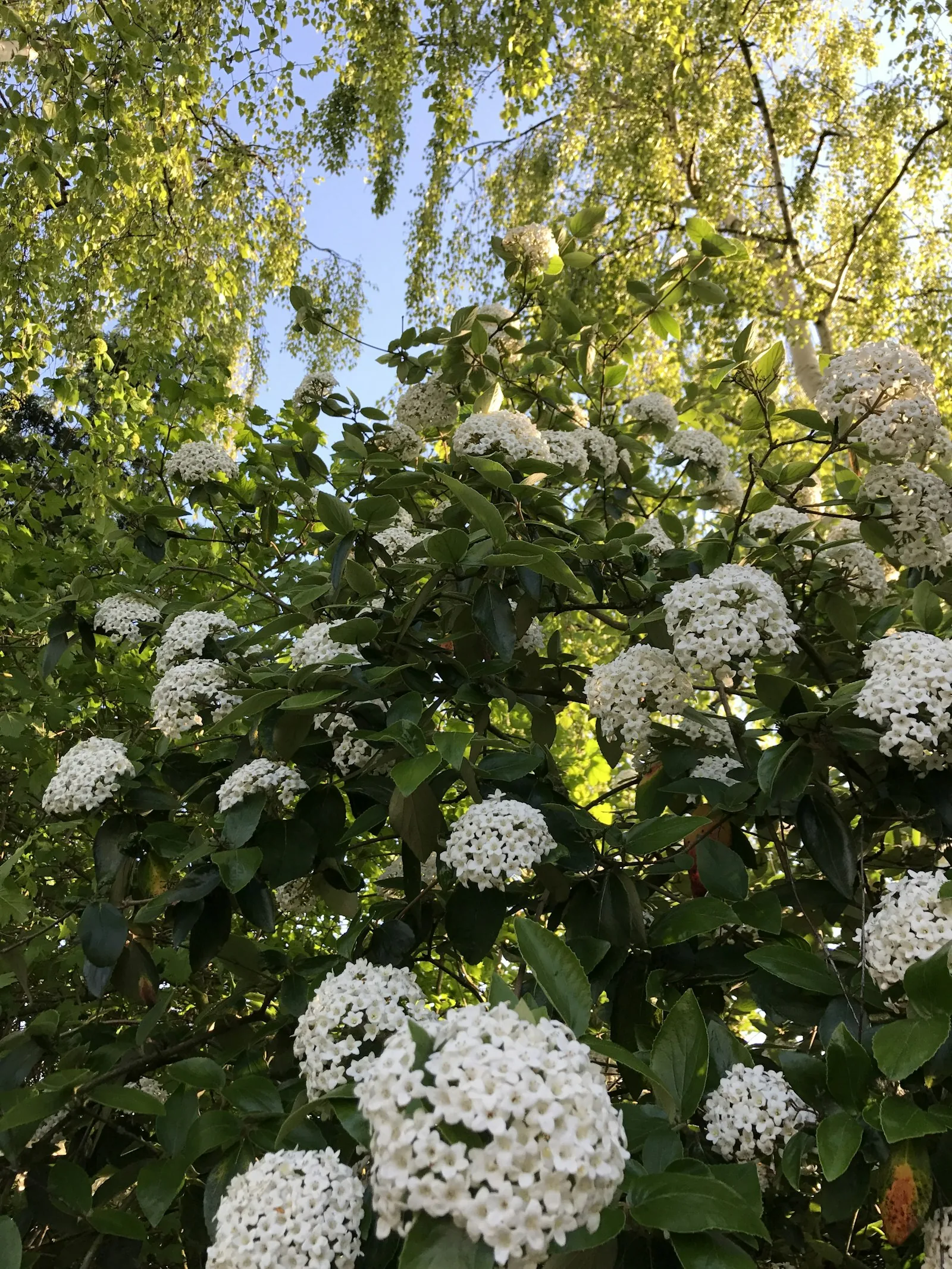
The viburnum genus includes over 150 species of flowering shrubs, ranging from 2-foot dwarf forms to 15-foot understory trees. Several species are native to eastern North America; others are from Europe and Asia. What they share: spring flowers (many fragrant), ornamental fruit, attractive fall color on deciduous species, and general adaptability to a wide range of garden conditions. Per Missouri Botanical Garden, viburnums are "among the most versatile and useful plants in the landscape."
I don't grow viburnums in my current Long Island yard, though they are widely used in Nassau and Suffolk County landscapes. This guide is sourced from Extension publications.
This article contains affiliate links. As an Amazon Associate, we earn from qualifying purchases - at no extra cost to you. We only recommend products we have personally tested or that are the universal first recommendation from university Extension publications. See our full disclosure.
Choosing the right species
The viburnum genus is large enough that species selection is the critical first decision. Per Cornell Cooperative Extension, different viburnum species have very different susceptibility to viburnum leaf beetle, and susceptibility should be a factor in species selection in the Northeast and Midwest.
Most susceptible to viburnum leaf beetle (per Cornell): V. opulus (European cranberrybush), V. dentatum (arrowwood), V. lentago (nannyberry), V. trilobum (American cranberrybush).
Resistant or immune to viburnum leaf beetle (per Cornell): V. plicatum (doublefile viburnum), V. carlesii (Korean spice viburnum), V. rhytidophyllum (leatherleaf viburnum), V. x juddii (Judd viburnum), V. lantana (wayfaring tree).
Viburnum plicatum f. tomentosum — doublefile viburnum. Per Missouri Botanical Garden, white flowers arranged in flat clusters along horizontal branches in May, followed by red then black fruit. 8–10 feet tall. Zones 5–8. Resistant to viburnum leaf beetle.
Viburnum carlesii — Korean spice viburnum. Per Missouri Botanical Garden, intensely fragrant pink to white flowers in April–May. 4–5 feet tall. Zones 4–7. One of the most fragrant viburnums; resistant to VLB.
Viburnum dentatum — arrowwood viburnum. Per NC State Extension Plant Toolbox, white flowers in spring, blue-black fruit in fall, excellent red-purple fall color. 6–10 feet, zones 3–8. A native species with strong wildlife value — highly susceptible to VLB.
Viburnum lantanoides — hobblebush. Native to eastern North America; per Missouri Botanical Garden, an excellent choice for moist, shaded sites in zones 3–6.