Miscanthus Care: Growing Miscanthus sinensis
title: "Miscanthus Care: Growing Miscanthus sinensis"
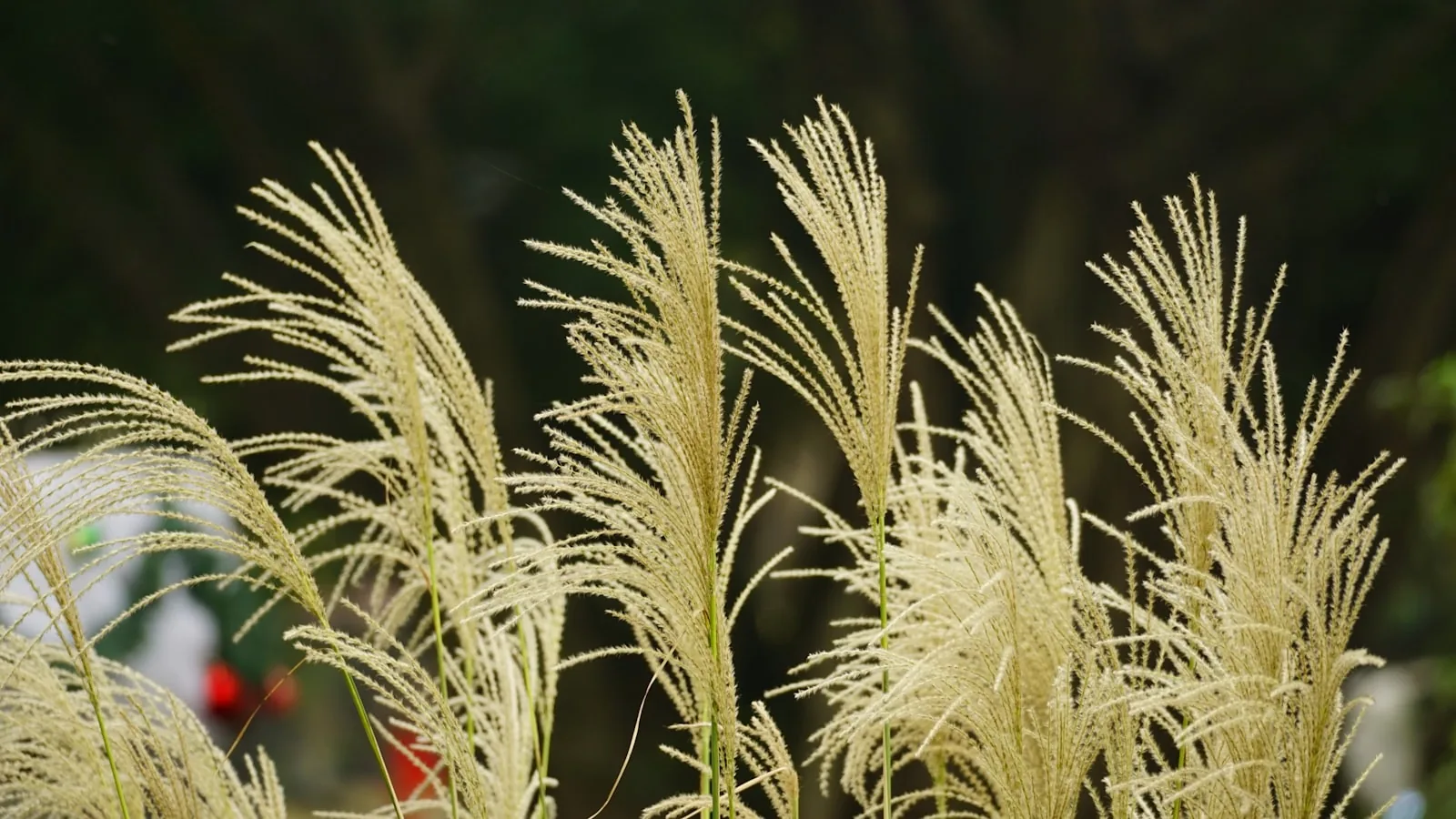
Miscanthus sinensis — Japanese silver grass, eulalia — is one of the largest and most architecturally dramatic ornamental grasses available to North American gardeners. Mature clumps reach 5–8 feet or taller, with silvery plume seed heads that catch winter light from September through February. It has been a staple of American residential and commercial landscapes for decades. The significant concern that belongs early in any miscanthus article: in parts of the eastern United States, M. sinensis escapes cultivation and invades natural areas. Before planting, understand the invasive risk in your region and choose cultivars accordingly.
I don't grow miscanthus in my Long Island yard — the combination of the scale required to use it well and the invasive risk in nearby natural areas has made me favor switchgrass instead. This guide is sourced from Extension publications.
This article contains affiliate links. As an Amazon Associate, we earn from qualifying purchases - at no extra cost to you. We only recommend products we have personally tested or that are the universal first recommendation from university Extension publications. See our full disclosure.
Invasive potential — understand before planting
Per Penn State Extension, Miscanthus sinensis is considered invasive in parts of the eastern United States, particularly along roadsides, woodland edges, and disturbed natural areas. It is listed as invasive in some states and as a concern in others. The Pennsylvania Native Plant Society and similar organizations in Mid-Atlantic states have raised concerns about its spread from gardens into natural areas.
Per Missouri Botanical Garden, "its invasive potential has been documented in several states" and the most practical mitigation is "choosing cultivars that are sterile or slow to produce seed." A 2011 Penn State trial found significant variation in seed viability among cultivars.
Lower-seeding or sterile cultivar recommendations per Penn State Extension and Missouri Botanical Garden:
- 'Adagio' — compact (4–5 feet), fine texture, late-blooming (reduces seed viability in northern zones)
- 'Bandwidth' — excellent variegated foliage, late-blooming
- Miscanthus x giganteus — the giant miscanthus, a sterile triploid hybrid; does not produce viable seed
The safest approach in the Northeast and Mid-Atlantic is to choose 'Adagio' or another late-flowering cultivar and remove seed heads before they ripen, particularly if the garden is adjacent to natural areas, woodland edges, or disturbed ground.