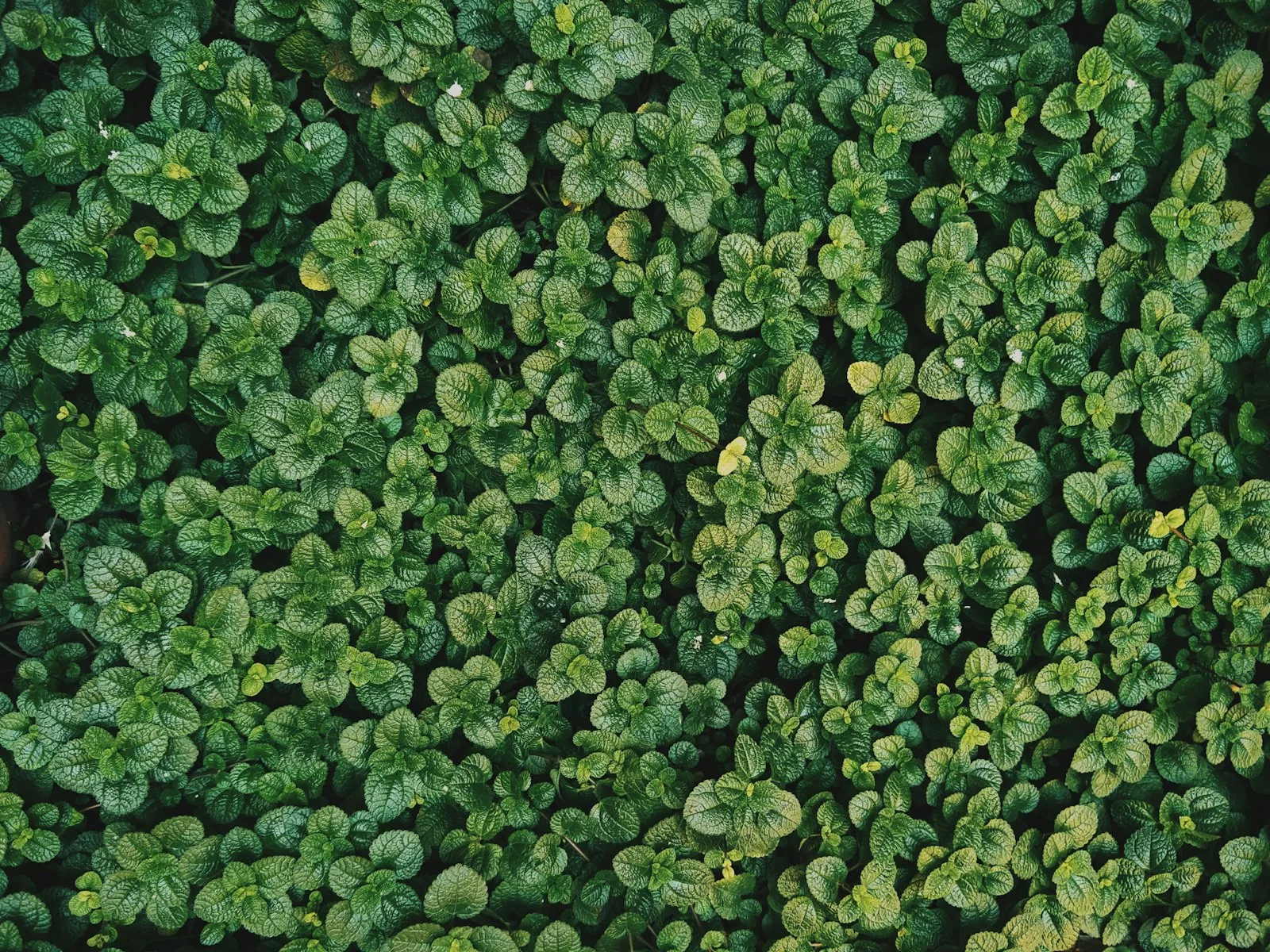
Lawn alternatives: clover, native sedges, and the realistic options for less mowing
Microclover overseeded into existing grass is the lowest-effort transition and handles normal foot traffic. Pennsylvania sedge works in shade. No-mow fescue is real but cannot handle daily use by dogs and kids.
—- title: "Lawn alternatives" slug: lawn-alternatives hub: lawn category: Lawn guide description: "Most people don't really want a lawn. They want a green, relatively uniform ground cover that looks neat, handles some foot traffic, and doesn't require daily attention. The problem is that." date: 2026-06-10 updated: 2026-06-10 author: "Thomas A." reading_time: 9 —-
Most people don't really want a lawn. They want a green, relatively uniform ground cover that looks neat, handles some foot traffic, and doesn't require daily attention. The problem is that traditional turfgrass requires significant inputs — fertilizer, irrigation, weed control, and weekly mowing — to maintain that appearance. For a lot of homeowners, the lawn they maintain is larger than the lawn they actually need.
The options between "full traditional lawn" and "complete conversion to meadow" are more practical than most lawn alternative guides acknowledge. Overseeding with microclover is a weekend project. Pennsylvania sedge under your shade tree is a legitimate no-mow solution. The key is matching the alternative to what the site actually needs and what you are realistically willing to manage.
Why lawns underperform in certain situations
Traditional turfgrass (Kentucky bluegrass, perennial ryegrass, tall fescue) is bred for open, sunny conditions with supplemental irrigation and fertility. In shaded areas under trees, in compacted high-traffic zones, on slopes, or in sites with poor soil, traditional lawn grasses struggle and require increasing inputs to maintain any quality. Per University of Minnesota Extension guidance on fine fescues, "fine fescues need very little irrigation" and "tolerate shade better than other cool-season turfgrasses" — a significant advantage in sites where Kentucky bluegrass fails.
The most realistic starting point for most homeowners: identify the areas of the lawn that actually get used (play area, foot traffic routes, pet exercise) and the areas that exist simply because grass is the default ground cover. The areas in the second category are the best candidates for alternatives.
Microclover overseeded into existing lawn
Dutch white clover (Trifolium repens) was a standard component of lawn seed mixes through the 1950s until selective broadleaf herbicides removed it. Per Penn State Extension, white clover "acts as a built-in fertilizer by fixing atmospheric nitrogen, enhancing and extending a lawn's green color."
Microclover is a smaller-leaved variety of white clover bred specifically for lawn use — it maintains lower, more compact growth than standard clover and blends better visually with grass. Overseeding at 5–10% of a grass-seed mix, or direct overseeding into an existing lawn at low rates, produces a mixed lawn that fertilizes itself, tolerates moderate drought better than pure grass, and provides nectar for bees.
Per University of Minnesota Extension guidance on bee lawns, "a bee lawn can not only provide a recreational space for you, your family and your pets, it can also provide much-needed food resources for bees and other beneficial pollinators. Once established, bee lawns take a similar (or even less) amount of work to maintain as a traditional lawn."
Footfall tolerance: A clover-grass mixed lawn handles normal recreational use comparably to a pure grass lawn. This is the primary advantage over sedge alternatives — clover is genuinely foot-traffic tolerant.
The only drawback: Clover blooms, and the blooms attract bees. Barefoot children in a clover-heavy lawn may encounter bees. The practical solution is mowing regularly (bees are not feeding on mown-down clover flowers) and maintaining a clover percentage rather than a pure clover lawn. Clover flowers attract honeybees and native bees; the bee activity is a feature if you are a gardener and a consideration if you have young children who play barefoot.
How to overseed: Per UMN Extension guidance on lawn renovation, the preferred time for overseeding is mid-August to mid-September. Dethatch or scarify the lawn surface lightly to ensure seed-to-soil contact. Broadcast microclover seed at the rate specified on the package (typically 1–2 oz per 1,000 square feet for overseeding into existing grass). Irrigate lightly but consistently until germination. Do not apply broadleaf herbicide to the lawn after overseeding — it will kill the clover.
Pennsylvania sedge for shade
Carex pensylvanica (Pennsylvania sedge) is a native sedge, not a grass, adapted to the understory of eastern North American deciduous forests. Per Penn State Extension, it "has grassy leaves, suppresses weeds and is drought tolerant. It forms soft, 10-inch-tall clumps in creeping colonies."
Pennsylvania sedge is the best lawn replacement for shaded sites where grass consistently fails — under mature trees, on north-facing slopes, along the shaded north side of structures. It spreads slowly by rhizomes and eventually forms a dense ground cover that suppresses weeds.
Footfall tolerance: Pennsylvania sedge tolerates occasional foot traffic but not regular, high-traffic use. A path through a sedge planting will develop worn areas; a play area surfaced with sedge will not hold up under daily use by children or dogs. Think of it as a ground cover that tolerates crossing, not as a surface for sustained activity.
Maintenance: Per Penn State Extension, "a single early-spring mowing at the highest mower setting removes yearly dead foliage from sedges and liriope." Beyond this annual mowing in early March, Pennsylvania sedge requires almost no maintenance in an appropriate (shaded, moderate moisture) site.
Related alternatives: Carex plantaginea (plantain-leaved sedge) has puckered, wavy foliage and similar habitat requirements. Carex laxiculmis (spreading sedge) has silvery-blue foliage and is among the more shade-tolerant sedges. All three are native to the eastern United States and are appropriate for naturalistic shade gardens.
No-mow fine fescue blends
Fine fescue blends — mixes of strong creeping red fescue, hard fescue, sheep fescue, and Chewings fescue — have been developed specifically for low-maintenance lawns. Per Penn State Extension, "no-mow grass varieties are fine fescue blends that once established require little supplemental water or fertilizer. Uncut fescue lawns generally grow 12 to 15 inches and fall over in undulating wave-like mounds about 6 inches high. Mowing two to four times a year is sufficient to maintain a 4-inch height."
Per UMN Extension guidance on fine fescues, "fine fescues need very little irrigation in Minnesota" and have "lower maintenance requirements (less mowing, watering and fertilizer) compared to more commonly grown Kentucky bluegrass."
These are not zero-maintenance — "local blends developed from the original Prairie Nursery, Wisconsin 'No-Mow' grass are now available under various names for specific sun, shade, and soil conditions" per Penn State Extension. The original Prairie Nursery no-mow blend and its descendants are available from specialty seed suppliers. Standard hardware store grass seed mixes typically do not include genuine no-mow fescue blends.
Footfall tolerance: No-mow fescue lawns handle light to moderate foot traffic but degrade under heavy daily use. A family lawn with dogs and children running daily will develop worn paths. These blends perform best in low-to-moderate use situations or in areas primarily valued for appearance rather than recreation.
Establishment: Fine fescues establish best from seed sown in late summer (mid-August through September in zones 5–7). They are slow to establish in the first year but become dense and weed-suppressive by year two to three.
Sun alternatives: creeping thyme and liriope
For full-sun low-maintenance areas, creeping thyme (Thymus serpyllum) provides dense coverage, handles light foot traffic, and blooms in summer with lavender flowers that attract bees. Per Penn State Extension, creeping thyme is among the "low-growing lawn plants" that attract pollinators while reducing fertilizer and herbicide needs.
Liriope spicata (creeping lilyturf) is "sun and heat tolerant" per Penn State Extension and "fills in quickly with violet summer flower spikes." It is more aggressive than L. muscari and spreads readily — appropriate for a large area where coverage is the goal, but can become invasive in gardens with adjacent bed plantings.
Native meadow: the most ambitious option
Converting lawn to a native meadow or prairie is the most ecologically valuable choice but also the most management-intensive in the establishment phase. Per Penn State Extension, "a perennial meadow can be established by carefully selecting and planting perennial wildflowers native to Pennsylvania. Perennial meadows will take up to three years to fully establish."
Per Penn State Extension meadow guidance, the primary establishment challenge is weed suppression — native meadow species cannot outcompete aggressive weeds in the first 1–2 seasons without active management. Solarization (covering the area with plastic for 2 months in summer), smothering with cardboard and wood chips, or herbicide application before planting are all standard preparation methods.
Where it works: Open, sunny areas with minimal existing use requirements and neighbors who are reasonably supportive of an informal aesthetic. Municipal ordinances on "weeds" vary significantly — check your local code before committing to a meadow in the front yard.
The honest footfall reality
No lawn alternative currently available handles heavy daily use by children and dogs the way a dense turfgrass lawn does. This is a real limitation that most lawn alternative guides understate.
The practical middle path for a family with active use requirements: maintain turfgrass in the primary play areas and high-traffic routes, and convert the lawn perimeter, the shaded areas under trees, and the infrequently walked areas to alternatives. This reduces overall lawn maintenance load significantly without requiring the family to change their use patterns.
Common situations
| Situation | Best option | Notes |
|---|---|---|
| Full-sun lawn, reduce mowing | Microclover overseed or no-mow fescue blend | Clover handles higher traffic than fescue |
| Deep shade under mature tree | Pennsylvania sedge | Handles light traffic; not for play areas |
| Moderate shade, aesthetic use | Pennsylvania sedge, Carex plantaginea | Annual mowing only |
| Slope too steep to mow safely | Native meadow or woody groundcovers | Most alternatives outperform mown grass on slopes |
| High-traffic family play area | Traditional turfgrass or tall fescue | No current alternative handles this level of use |
| Reduce fertilizer and water inputs | Fine fescue blend or clover mix | Fine fescues self-sufficient after establishment |
Recommended gear: English vs French vs Spanish [lavender — which to grow where](https://outdoorplantcare.com/plants/best-lavender-cultivars/) — our buyer's guide covering picks for every budget, ranked by Extension publication consensus and personal use.
Frequently asked
Can I just overseed clover into my existing lawn?
Yes. Per Penn State Extension, white clover and microclover overseed effectively into existing grass. The best time is late summer (mid-August to mid-September). Lightly dethatch or scarify first for seed-to-soil contact. Do not apply broadleaf herbicide after overseeding — it will kill the clover. Per UMN Extension, a bee lawn with clover overseeded into grass "takes a similar (or even less) amount of work to maintain as a traditional lawn" and "can still be used recreationally by your household like a regular lawn."
Is Pennsylvania sedge a good lawn replacement?
For the right conditions, yes. Per Penn State Extension, Carex pensylvanica "suppresses weeds and is drought tolerant" and requires only an annual early-spring mowing. It is the best option for shaded areas under deciduous trees where grass consistently fails. It does not handle heavy, daily foot traffic — worn paths develop in high-use areas. Match it to low-to-moderate-traffic sites.
Are no-mow fescue blends actually no-mow?
Not entirely. Per Penn State Extension, "mowing two to four times a year is sufficient to maintain a 4-inch height." Uncut, they grow to 12–15 inches and fall over in mounds. For most homeowners, this is a 90% reduction in mowing compared to a traditional lawn — practically speaking, that is very close to no-mow. They do require occasional mowing and establish slowly from seed. Look for specialty blends from Prairie Nursery and similar sources; standard hardware store grass seed mixes are not the same product.
Do lawn alternatives work for dogs?
Moderately, depending on dog activity. A large dog that runs the same paths daily will wear through any ground cover including traditional grass. Clover-grass mixes and tall fescue handle dog traffic comparably to Kentucky bluegrass. Pennsylvania sedge and no-mow fescue blends handle light to moderate dog use but degrade under daily high-intensity use. Urine spot damage from dogs affects all lawn covers, including traditional grass; clover-dominant mixes tend to recover more quickly due to their nitrogen-fixing capacity.
Sources
- Penn State Extension — Lawn Alternatives.
- Penn State Extension — Turfgrass Alternatives.
- Penn State Extension — Meadows and Prairies: Wildlife-Friendly Alternatives to Lawn.
- University of Minnesota Extension — Planting and maintaining a bee lawn.
- University of Minnesota Extension — Planting and maintaining a fine fescue lawn.
- University of Minnesota Extension — Renovating a lawn for quality and sustainability.
- Xerces Society — Urban Habitat Checklist (PDF).