Gardening in the Pacific Northwest: Zones 6–9 Regional Guide
title: "Gardening in the Pacific Northwest: Zones 6–9 Regional Guide"
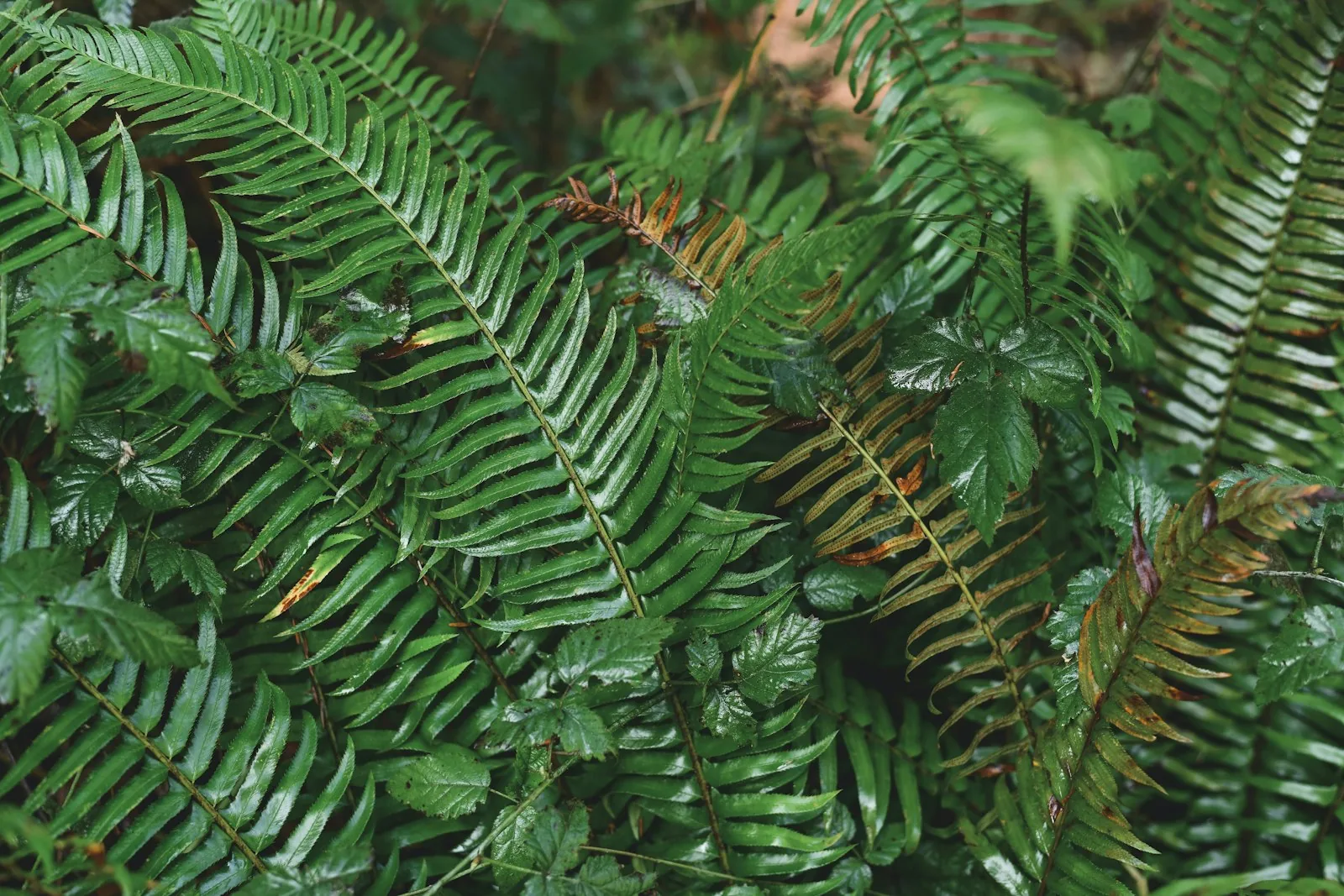
The Pacific Northwest west of the Cascades operates on a gardening calendar unlike any other in the country. It rains from October through June. Then it stops. The summer drought from July through September is nearly absolute in most years—Seattle averages less than 0.8 inches of rain in July. The mild, wet winters allow cool-season gardening in December. The dry, mild summers are ideal for vegetables that require little irrigation once established. What the PNW does not deliver is summer heat—Portland and Seattle average only 6–8 days above 90°F per year, which limits heat-demanding crops like melons, eggplant, and corn.
This guide covers the maritime climate west of the Cascades: western Washington (Seattle, Tacoma, Olympia), western Oregon (Portland, Eugene, the Willamette Valley), and coastal areas. East of the Cascades is a different climate entirely (high desert, cold winters, hot summers)—that portion of Washington and Oregon aligns more closely with the Mountain West conditions described in a separate guide.
This guide draws on Washington State University Extension, Oregon State University Extension, and King County Master Gardener publications.
This article contains affiliate links. As an Amazon Associate, we earn from qualifying purchases - at no extra cost to you. We only recommend products we have personally tested or that are the universal first recommendation from university Extension publications. See our full disclosure.
Table of Contents
- USDA Zones and the Cascades Divide
- Soil: Glacial to Alluvial
- First and Last Frost Dates
- Seasonal Planting Calendar
- What Grows Best in the Pacific Northwest
- What Does Not Work
- Pest Pressure
- Disease Pressure
- Native Plant Recommendations
- Frequently Asked
—-