Home/Care/Companion planting for vegetables: the science vs the fol...
Care
Companion planting for vegetables: the science vs the folklore
The Three Sisters system is real ecology. Trap crops work. Most Pinterest companion planting charts are unsourced and some specific claims have been directly disproven. Here is what the evidence actually shows.
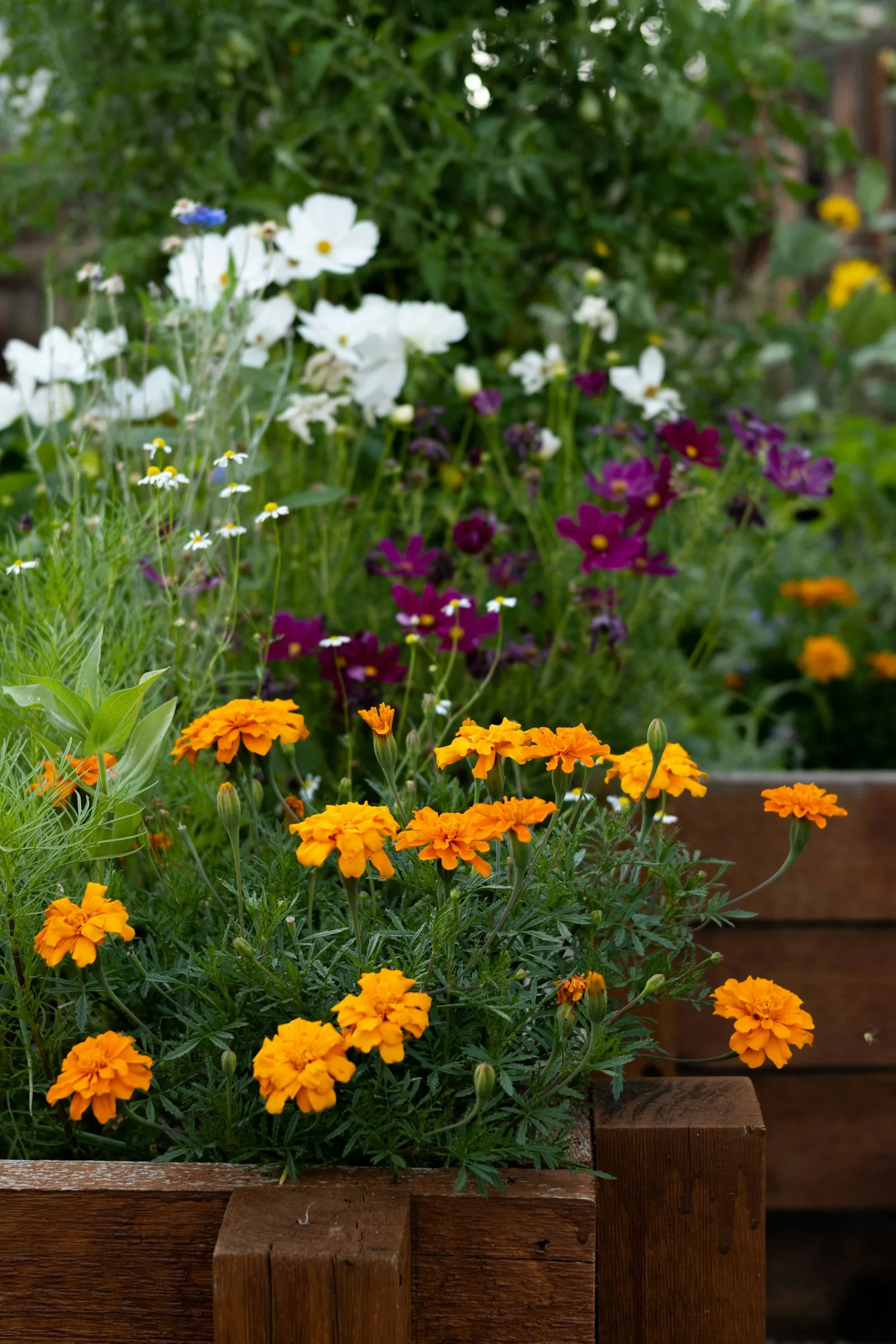
Companion planting is one of the most enthusiastically mythologized topics in home gardening. Every spring, social media resurfaces charts showing that tomatoes love basil and hate fennel, that beans should never grow near onions, and that marigolds repel everything from aphids to deer. Most of those charts are unsourced. Some of the claims are directly contradicted by research. A few are genuinely supported.
This guide focuses on what the evidence actually shows. Not what tradition says, not what a popular gardening chart claims — what university extension research and published studies support.
What companion planting can and cannot do
Companion planting works through four main mechanisms:
Physical support — one plant provides structure for another
Nitrogen fixation — legumes capture atmospheric nitrogen and benefit nearby heavy feeders
Trap cropping — a more attractive plant draws pests away from the target crop
Habitat for beneficial insects — flowering plants provide nectar for predators and parasitoids of pest insects
What companion planting generally cannot do reliably: chemically repel specific pest insects from a distance, eliminate the need for other pest management, or override cultural problems like wrong pH, insufficient light, or poor drainage.
More like this, monthly
Get the seasonal care notes — no upsell, unsubscribe any time.
One email per month from Thomas: what to plant, what to prune, what's about to break. Cited the same way as the guides.
Free. No spam. Same author as the guide you just read.
Got it — check your inbox to confirm. Welcome.
Fix soft-bodied pests fast
These pests all die on contact with insecticidal soap or neem oil, and both are safe on food crops up to harvest day. Read our full pick.